When you leave the highway, the landscape opens up, the pace slows in the villages, and faces start to feel familiar. Between Montréal and Québec City, Mauricie and Lanaudière offer a side of Québec you don’t just pass through, but take the time to experience.
Here, you step into a lived-in territory, shaped by people who still take the time to talk, to share their corner of the country, and explain why they chose to stay. That sense of closeness is what leaves a mark and gives this region its quiet beauty. You feel expected, almost welcomed like a neighbor passing through.
In just a few days, you can move from a secluded lake to a memorable dining table, from a river descent to a live show by the St. Lawrence. Everything is close, without ever feeling crowded. That is the strength of this region. It does not try to impress. It reveals itself gradually, and it stays with you long after you leave.
Experiencing Québec’s wide-open spaces from within
This is often where a trip begins. By stepping away from the main routes, you access a broader territory made of lakes, forests, and places you take the time to get to know.
Outfitter stays in Lanaudière: an accessible and human first immersion
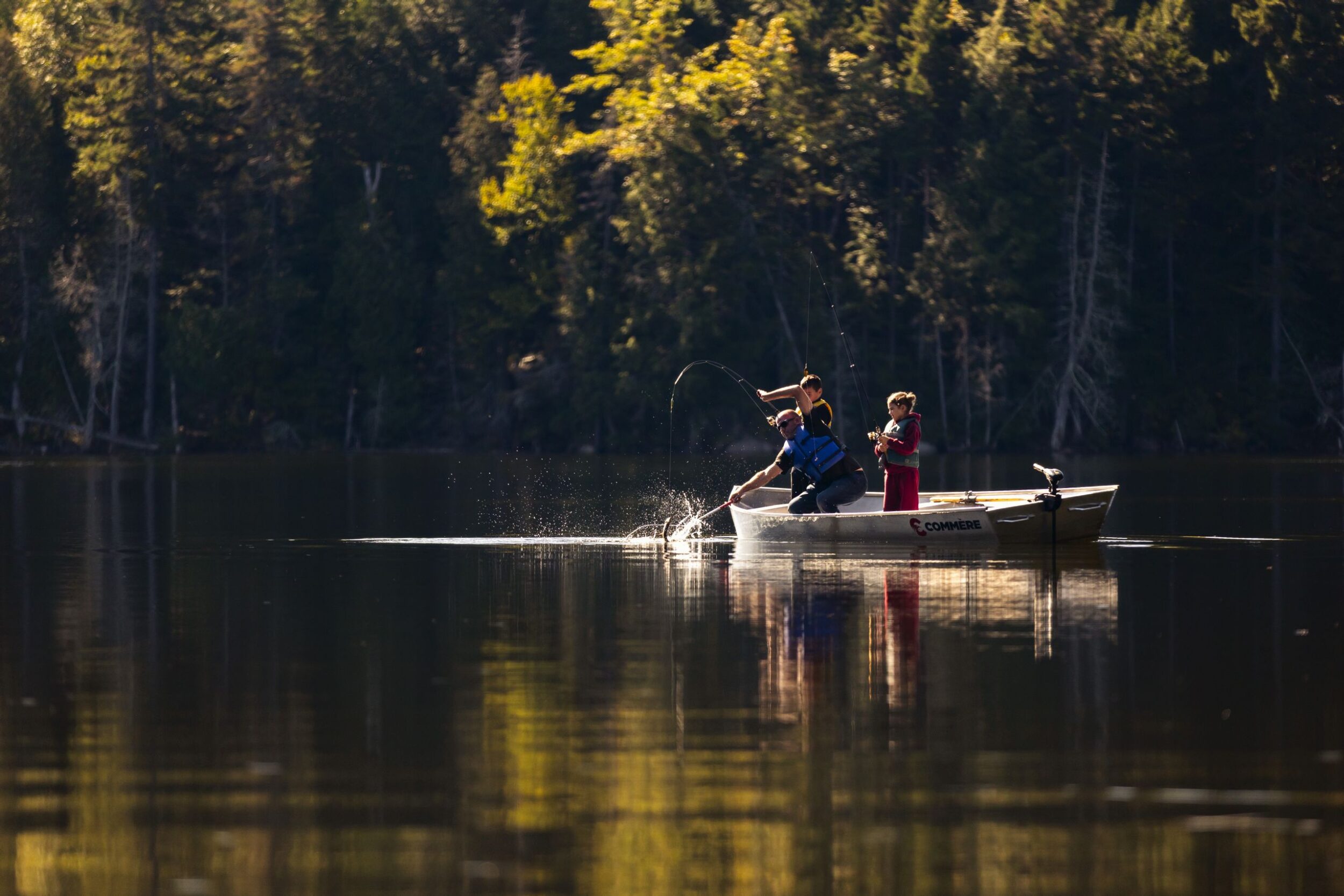
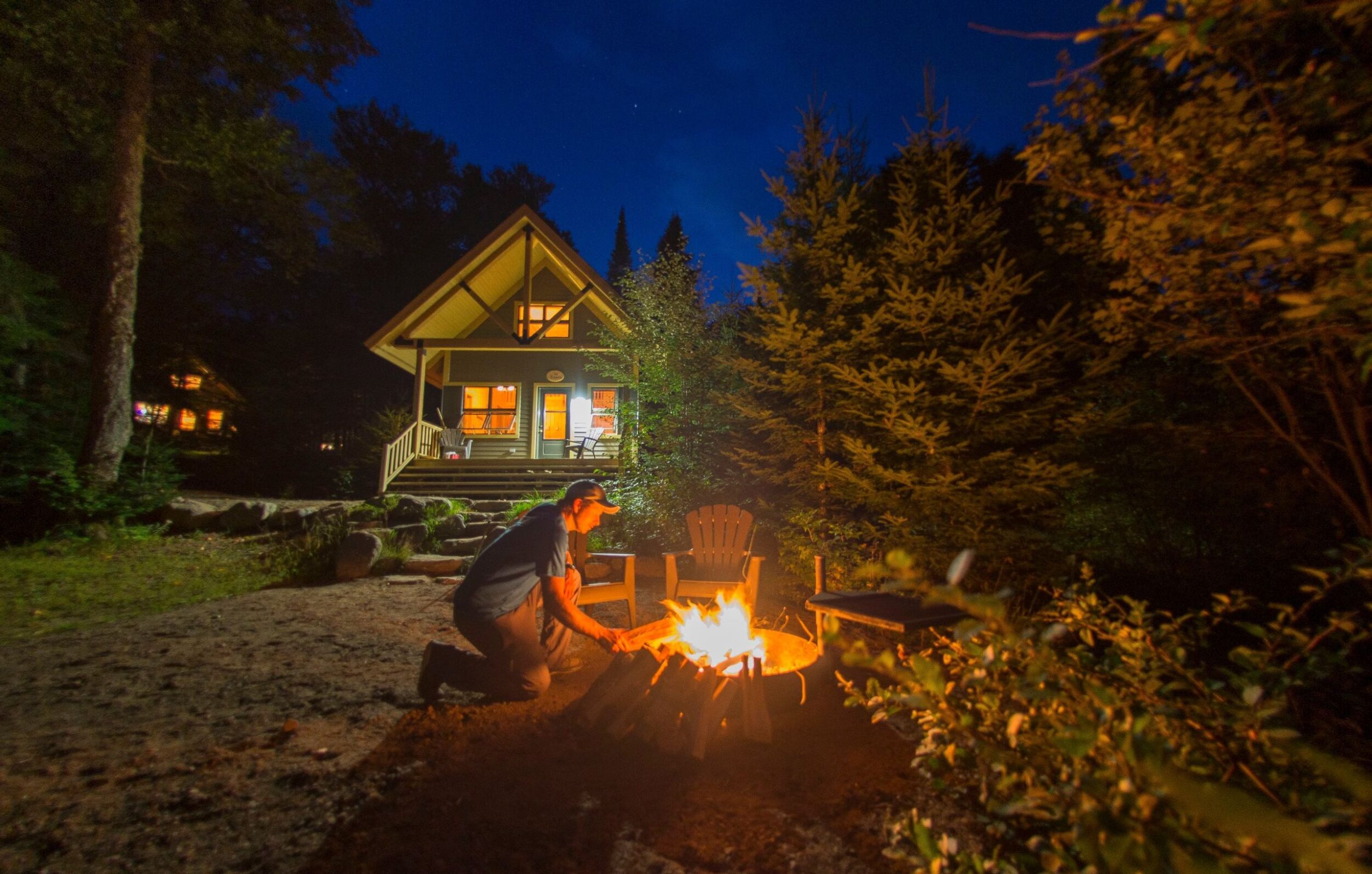
In Lanaudière, outfitter lodges play a central role in accessing the territory. There are dozens of them spread across the region, offering different levels of comfort and remoteness. Some provide turnkey stays, while others are more self-guided, with fully equipped cabins, boats on site, and direct access to the water.
The Association des pourvoiries Lanaudière helps make sense of the options, which is especially useful if you are discovering the outfitter concept for the first time.
Unlike a common misconception, an outfitter stay is not limited to hunting or fishing. In summer, people mainly come to explore the lakes, swim, hike through the forest, or simply enjoy a quiet setting. In winter, everything changes, with activities like snowmobiling, snowshoeing, dog sledding, and ice fishing.
Lanaudière is home to thousands of lakes, many of them located within these private or semi-managed territories. In practical terms, this means access to low-traffic areas, with boats available on site and tailored advice depending on conditions.
What really makes the difference is the depth of local knowledge. Owners know when the wind picks up on a specific lake, which trails stay pleasant during warmer days, or where to spot a moose early in the morning. This kind of insight does not come from a guidebook.
Most stays last several nights, and that changes everything. After a day or two, you start understanding the lake, finding the right spots, and naturally settling into a rhythm.
Outfitter stays in Mauricie: exploring at your own pace
In Mauricie, outfitter lodges are set within a vast territory marked by large forested areas and a strong presence of water. From La Tuque or Shawinigan, you quickly reach these areas, and the landscape gradually shifts as you head deeper inland.
The Association des pourvoiries de la Mauricie brings together lodges across different parts of the region, with a strong presence in Upper Mauricie. Many offer interconnected lakes and internal road networks, allowing easy movement between sectors. On site, this translates into real freedom when planning your days, whether you want to explore, paddle, or simply enjoy the surroundings.
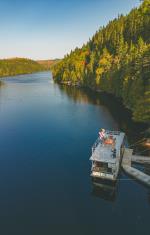
In some cases, just getting there is part of the experience. At Seigneurie du Triton, for example, arrival is by boat. This type of access remains occasional, but it reflects the diversity of experiences available in the region.
The offer is also structured around different types of stays. Some lodges are especially well suited for families, with activities that can be organized directly around the cabin. Canoeing, swimming, beginner fishing, and wildlife observation can all happen right there.
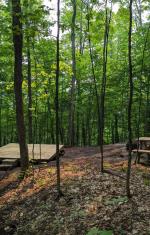
Others provide experiences that feel truly off the beaten path. These involve larger territories, quieter areas, and unique accommodations like tipis or houseboats.
In all cases, guidance is part of the experience. Teams know their environment well and help you adapt to conditions. That local knowledge makes everything feel smooth and coherent.
Pourvoirie du Lac Blanc: a reliable choice for a first experience
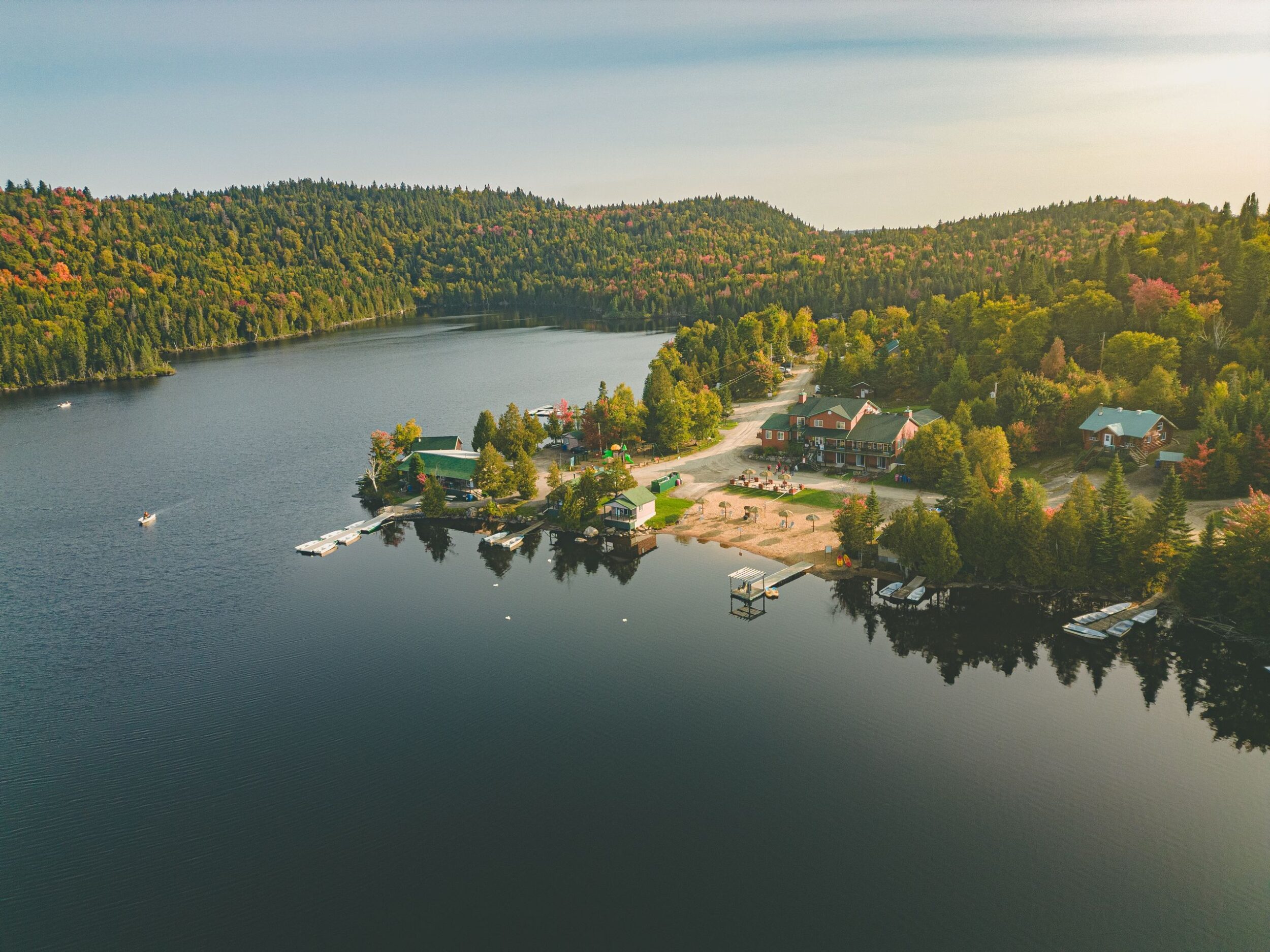
Pourvoirie du Lac Blanc, near Saint-Alexis-des-Monts, is often recommended for a first true outfitter experience. The territory is vast, more than 3,500 hectares with around a dozen lakes, giving you plenty of room to explore without repeating the same spots.
Everything runs smoothly on site. You can head out in a rowboat in the morning, switch lakes during the day, and come back to a simple but well-prepared meal like their smoked trout chowder or homemade club sandwich. After a full day outdoors, those details matter.
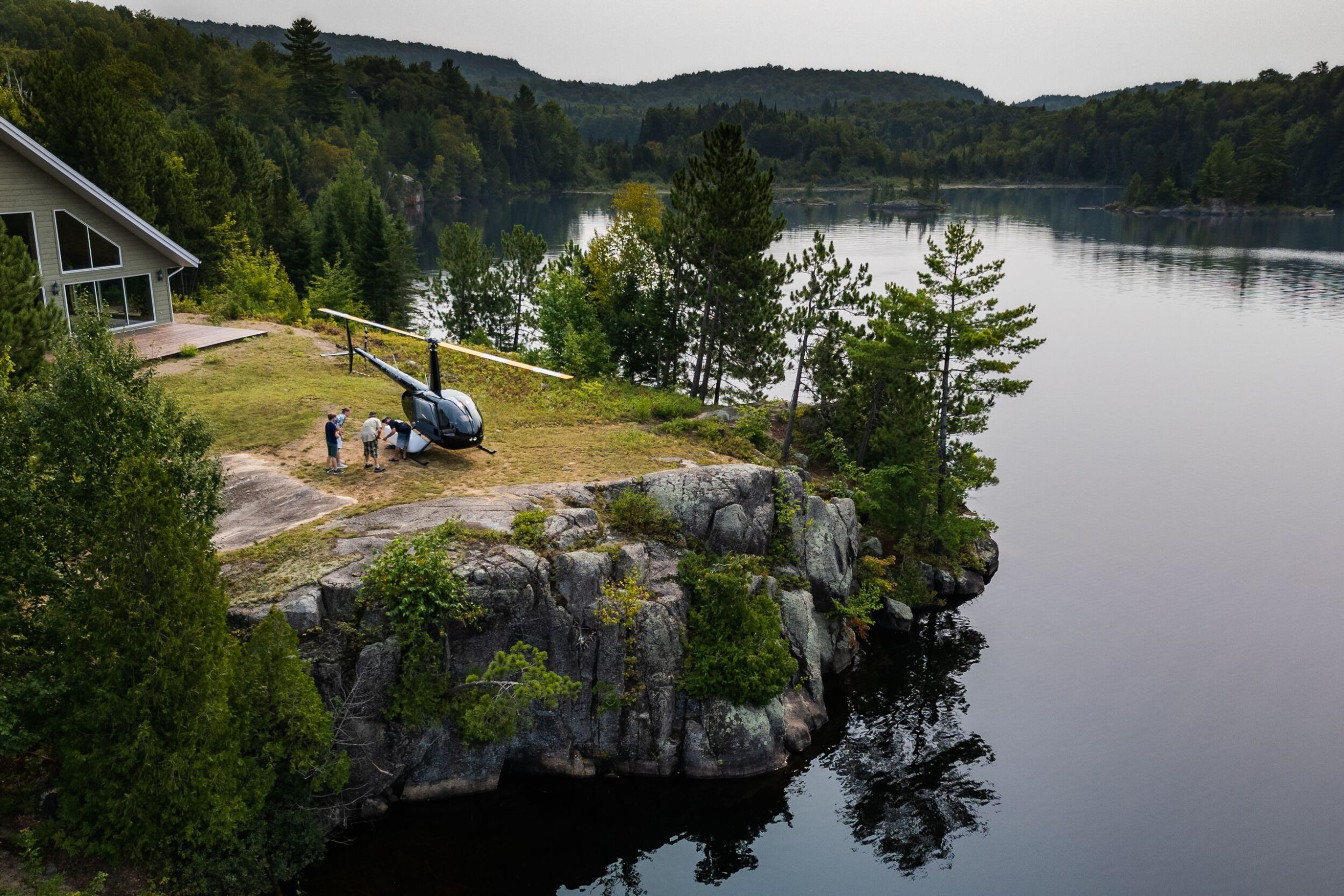
For a broader perspective, a helicopter ride gives you a sense of the scale of the territory in just a few minutes.
If you are looking for some of the best outfitter stays in Québec, this one often comes up, and it is easy to understand why.
Mont-Tremblant National Park: understanding Québec’s scale
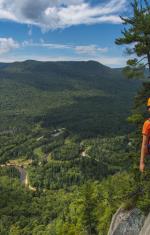
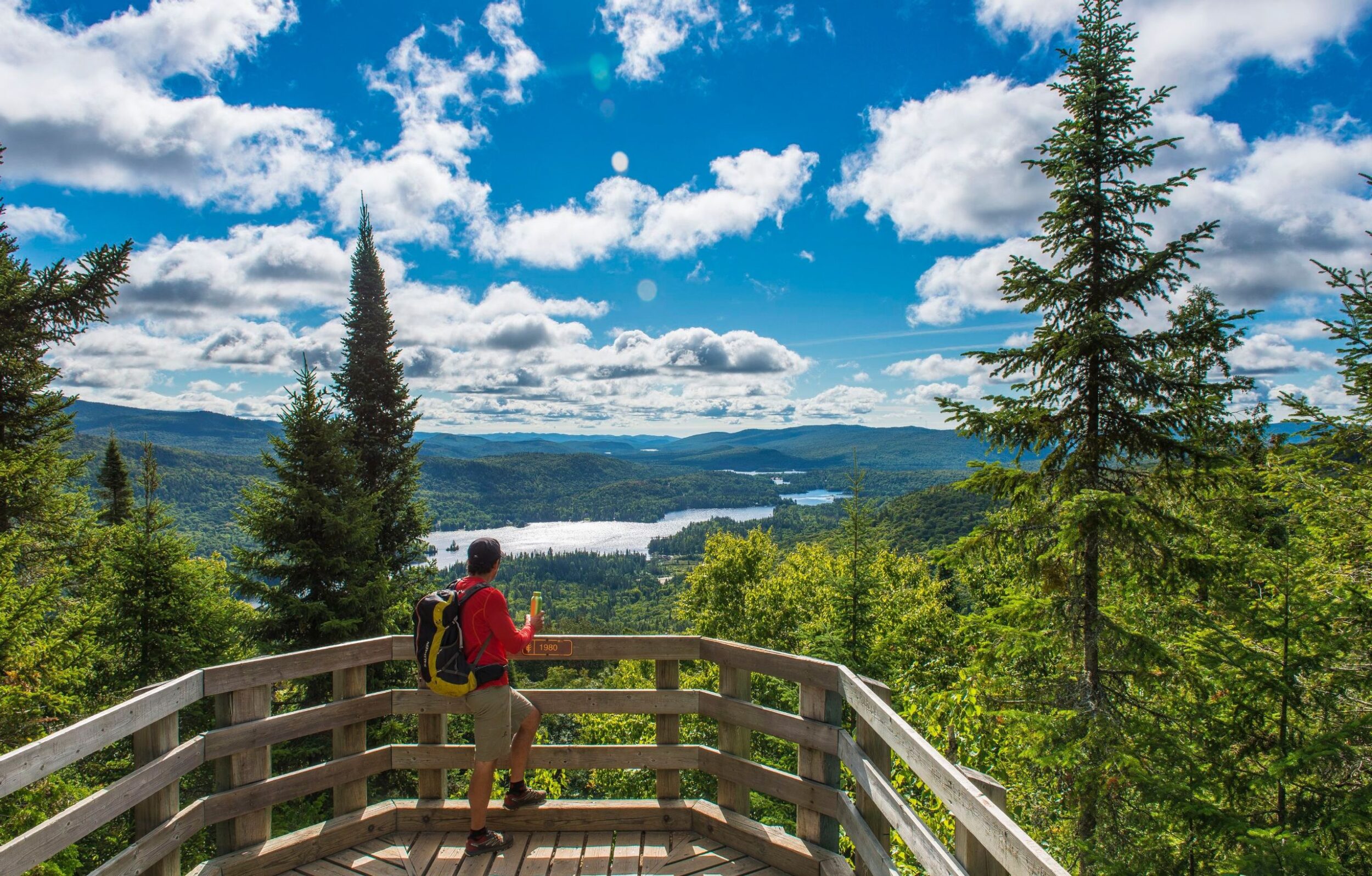
At Mont-Tremblant National Park, you enter a vast, structured territory where sugar maple forests stretch as far as the eye can see. With over 400 lakes and several rivers, water is everywhere.
In the L’Assomption sector, a guided canoe excursion with a park naturalist is something we strongly recommend. You paddle across one of the park’s most beautiful lakes while gaining a deeper understanding of the territory from a different perspective.
Méandre: drifting along the river
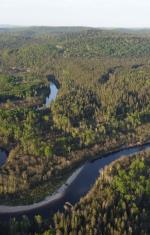
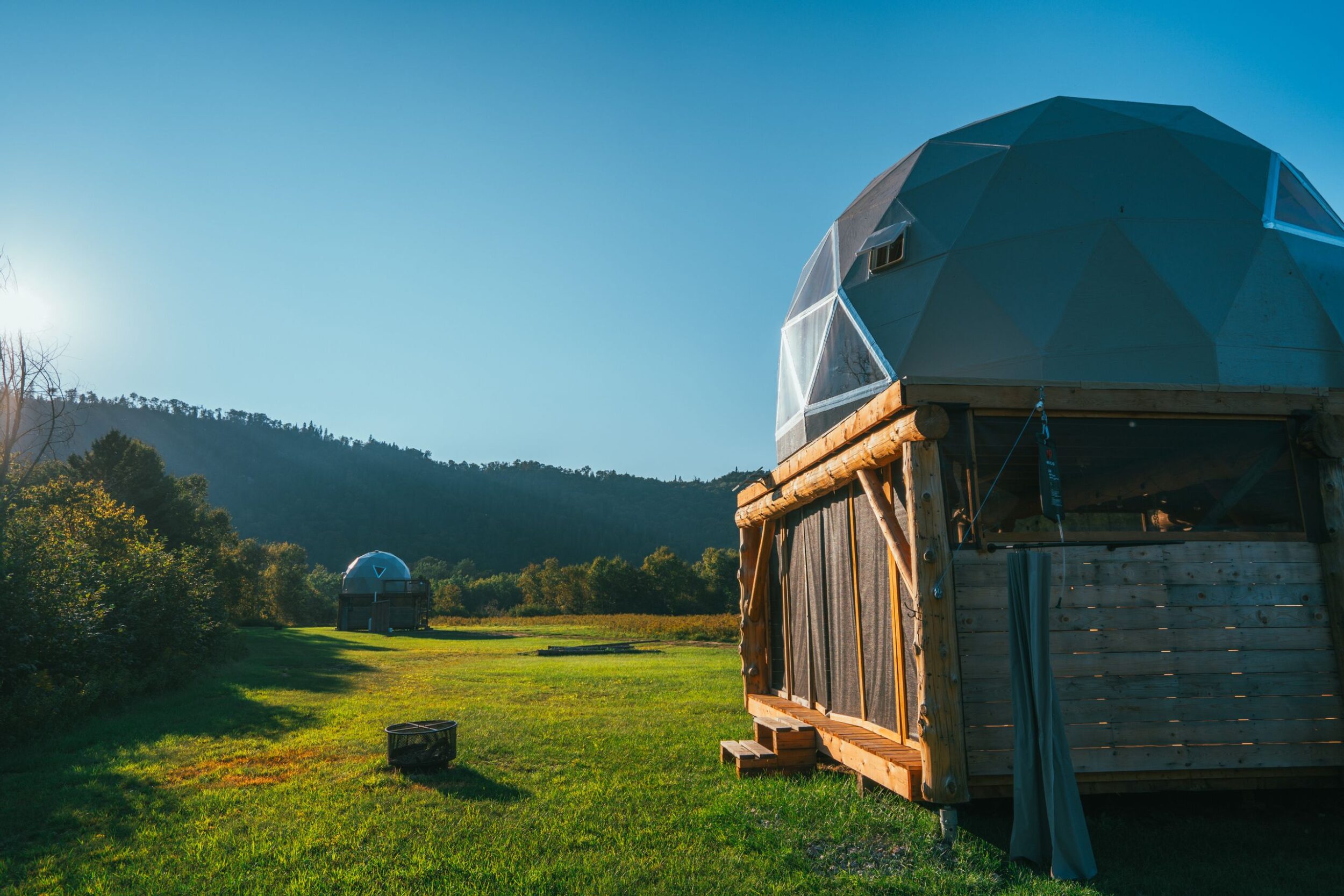
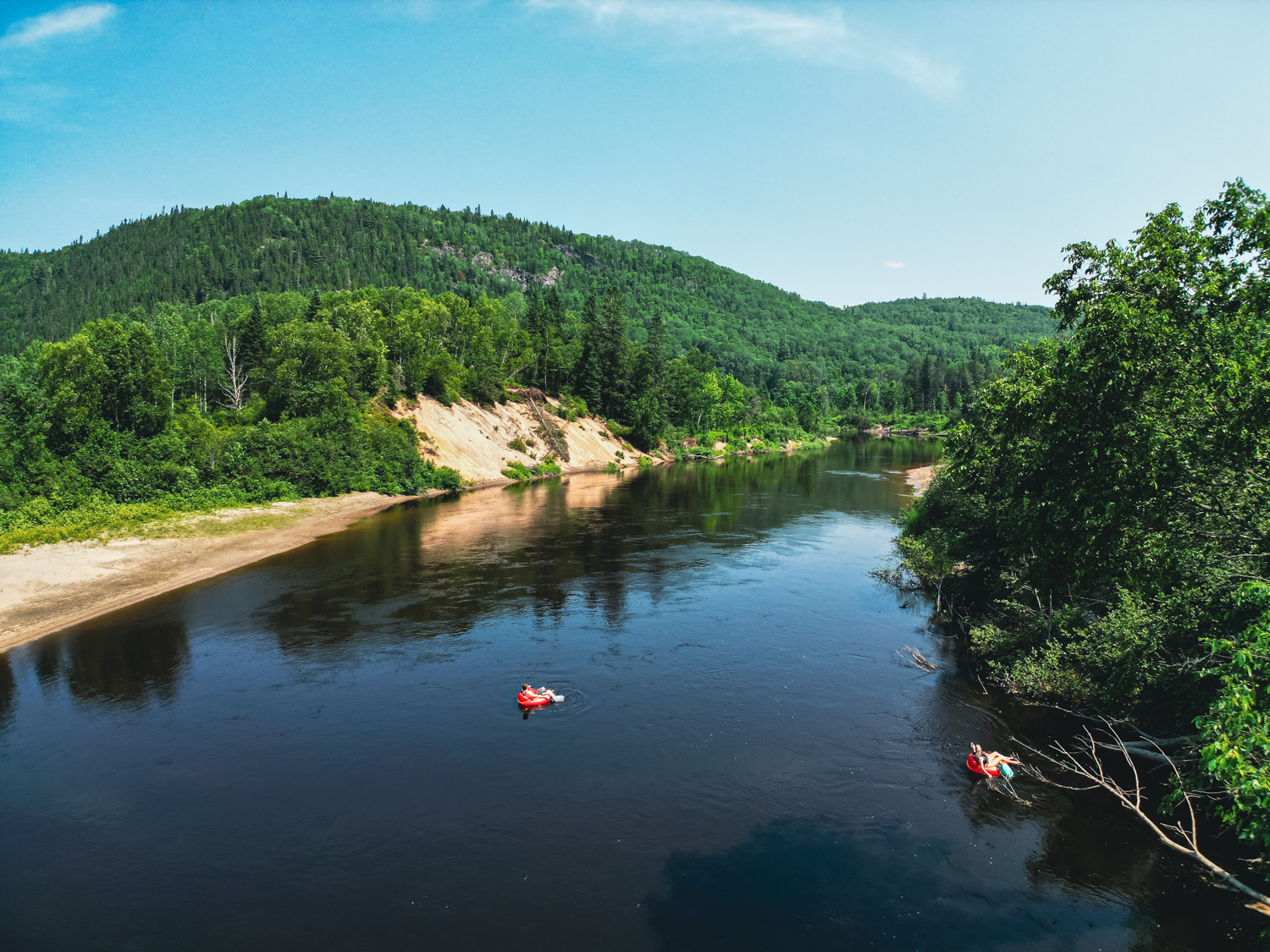
In Upper Mauricie, Méandre offers a tubing descent on the Rivière Croche, accessible even without experience. You float for several miles, alternating between calm stretches and small rapids. It is easily done in half a day, but you will likely want to extend the experience by staying overnight, whether camping, in a cabin, or in a dome, close to nature.
Where to stay to fully enjoy nature
Staying overnight here is a natural extension of the day, a way to remain connected to the land even after activities end. In Lanaudière and Mauricie, accommodations are integrated into the landscape, often run by locals, and designed to help you fully experience the surroundings.
Auberge du Vieux Moulin: between lake and mountains
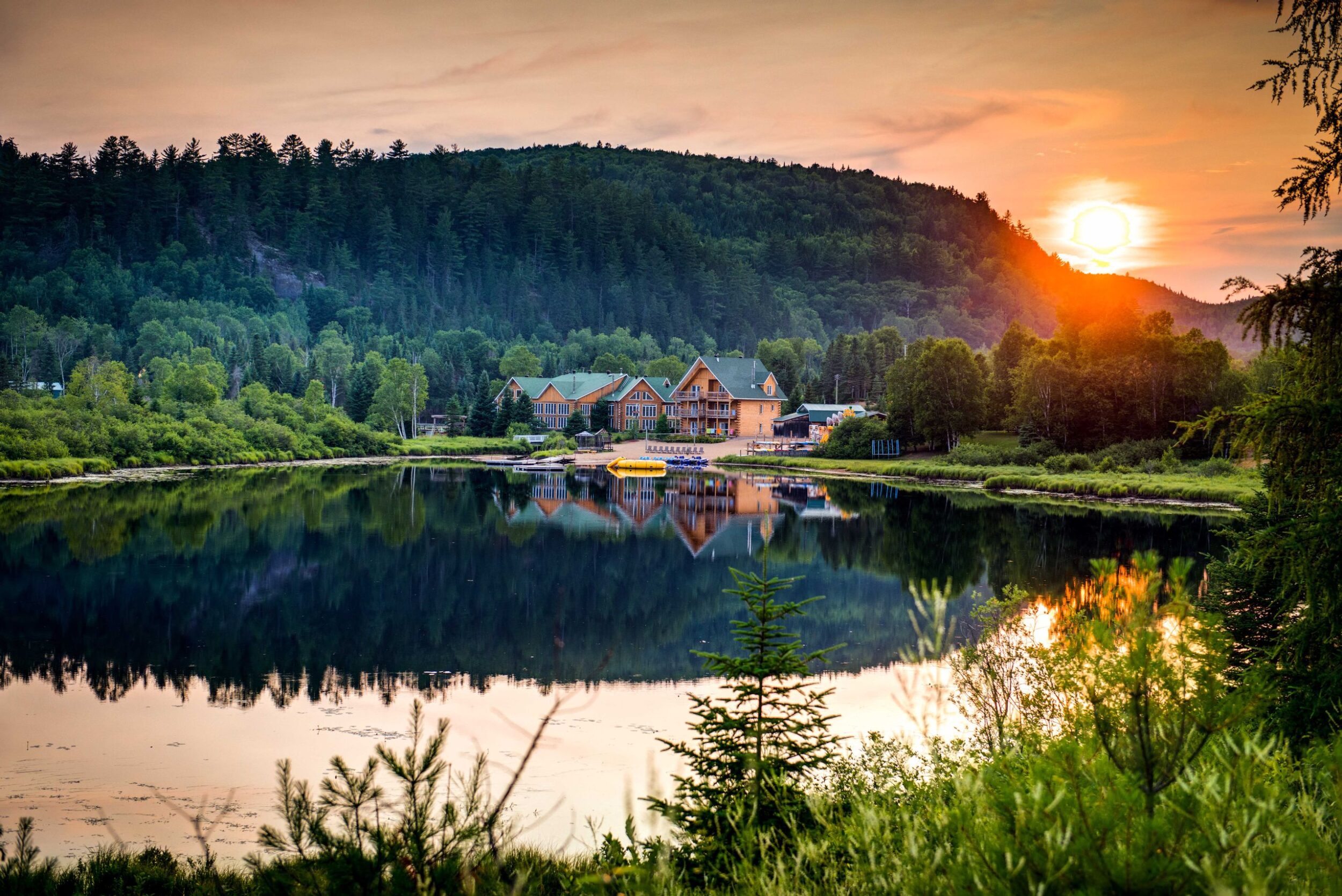
In Sainte-Émélie-de-l’Énergie, about 1 hour and 15 minutes from Montréal, Auberge du Vieux Moulin is one of those places you discover once and keep in mind for a return visit.
Set between a lake and a river in the mountains, it offers several ways to stay, from rooms and cabins to coolbox units and even tipis.
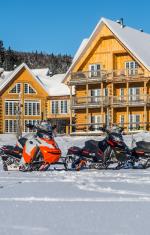
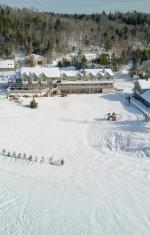
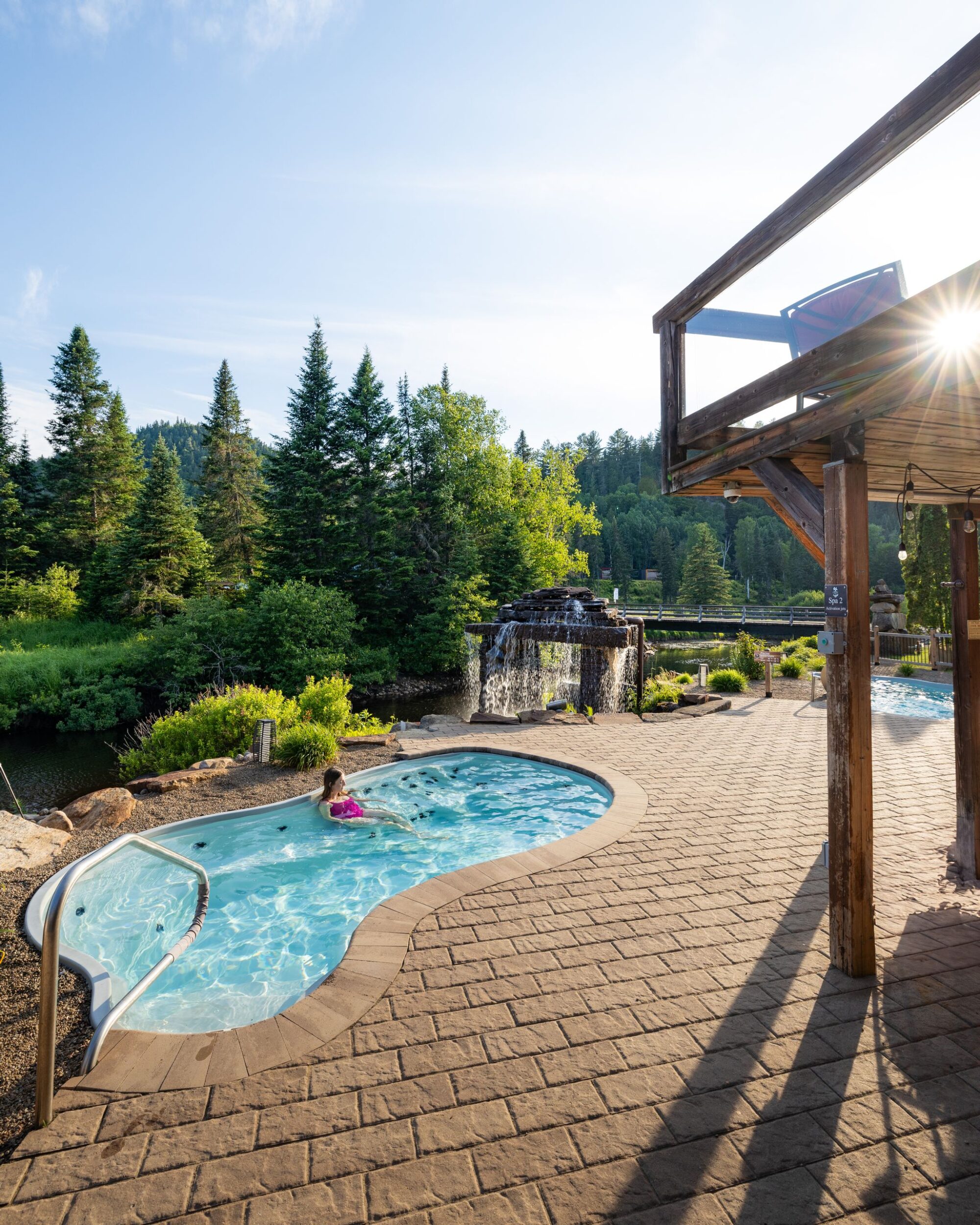
Everything is simple and well thought out. You can hike directly from the property, go fishing, or just relax in the riverside spa. In winter, it is also a well-known stop for snowmobilers. What stands out most is the attention to detail. They have been producing their own maple syrup for years and use it in their cooking. It may seem minor, but it says a lot about their approach.
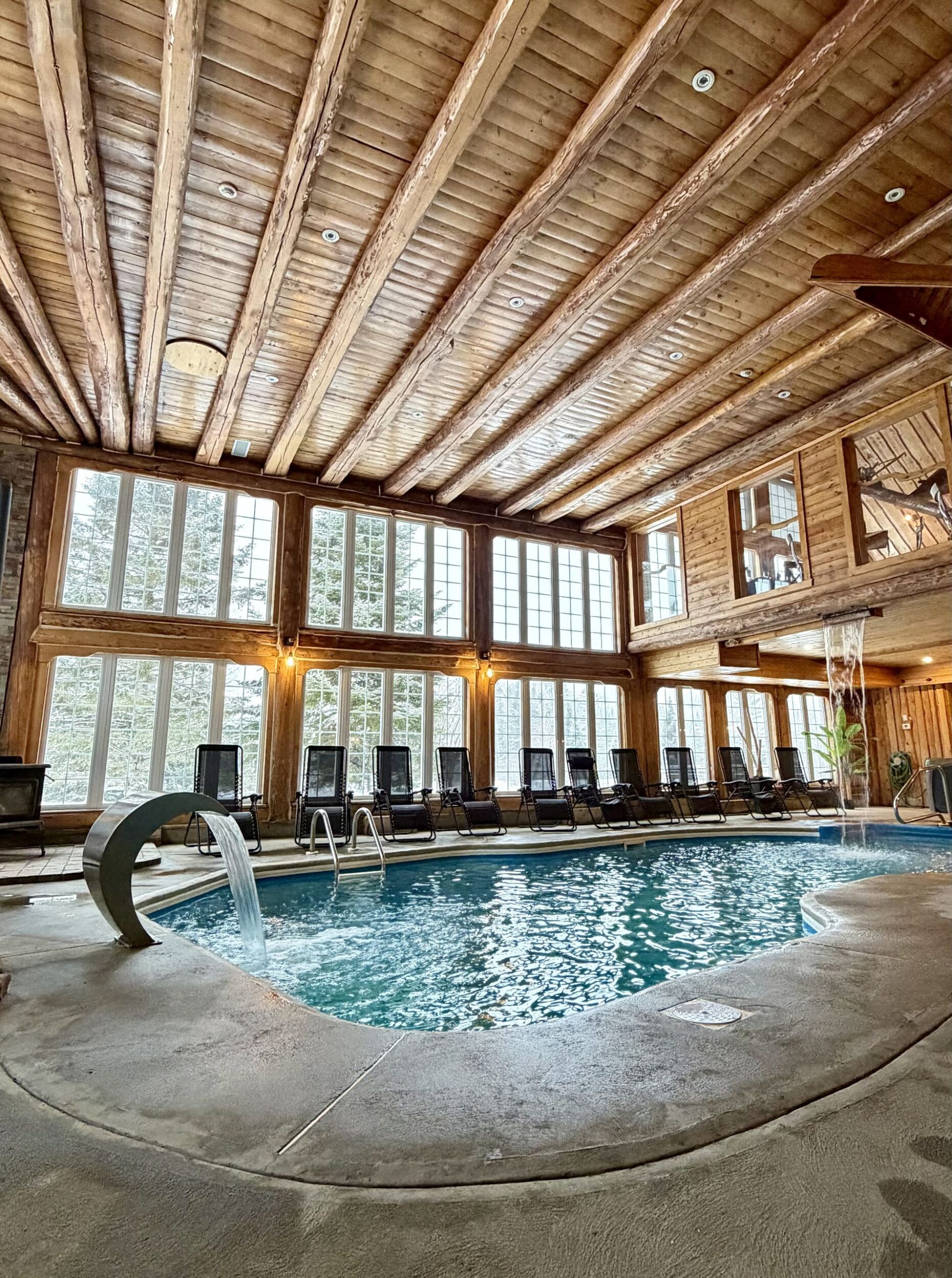
The interior reflects the spirit of the place, with wood throughout and a warm, unpretentious atmosphere.
Nature Nature: a base camp by the Saint-Maurice River
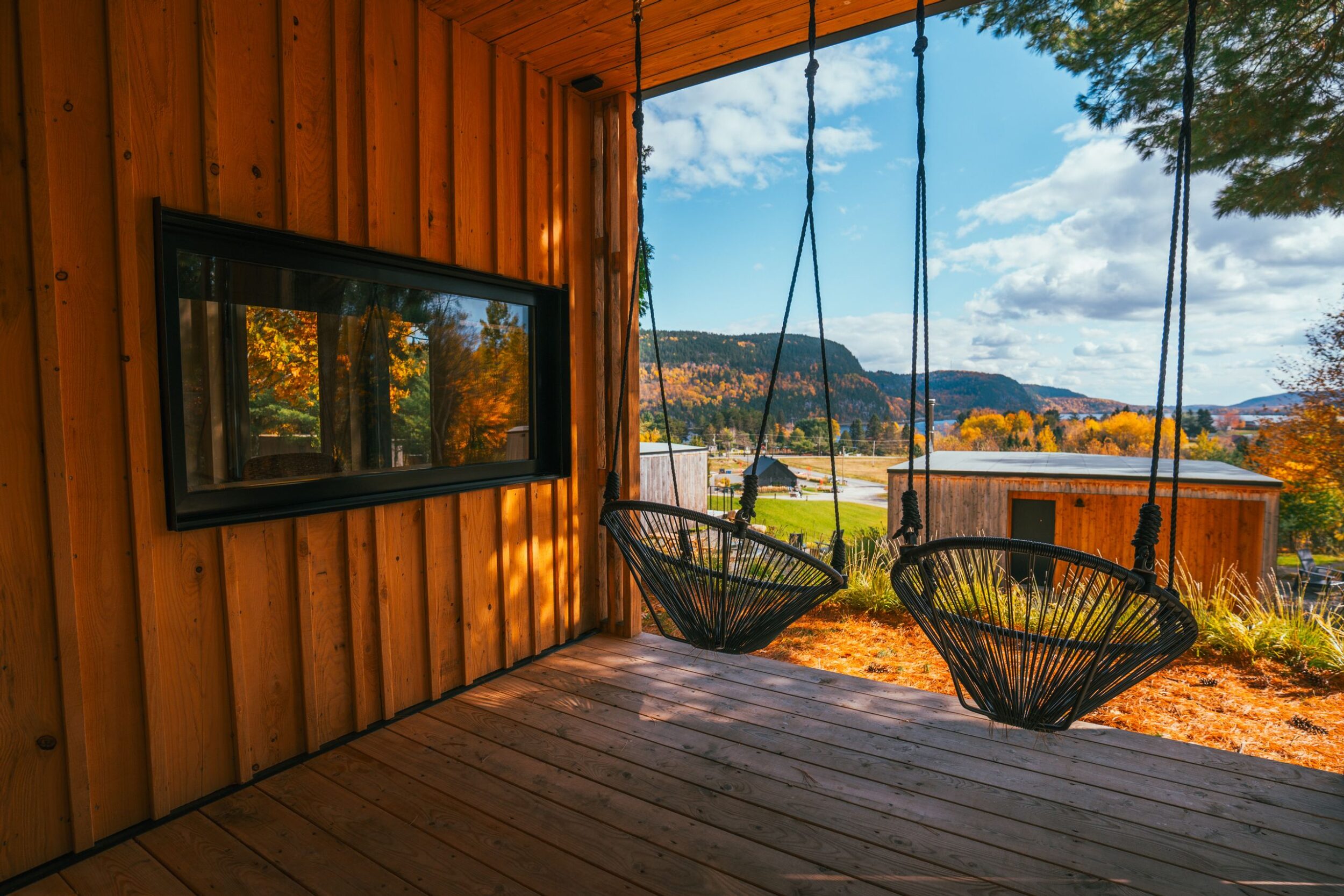
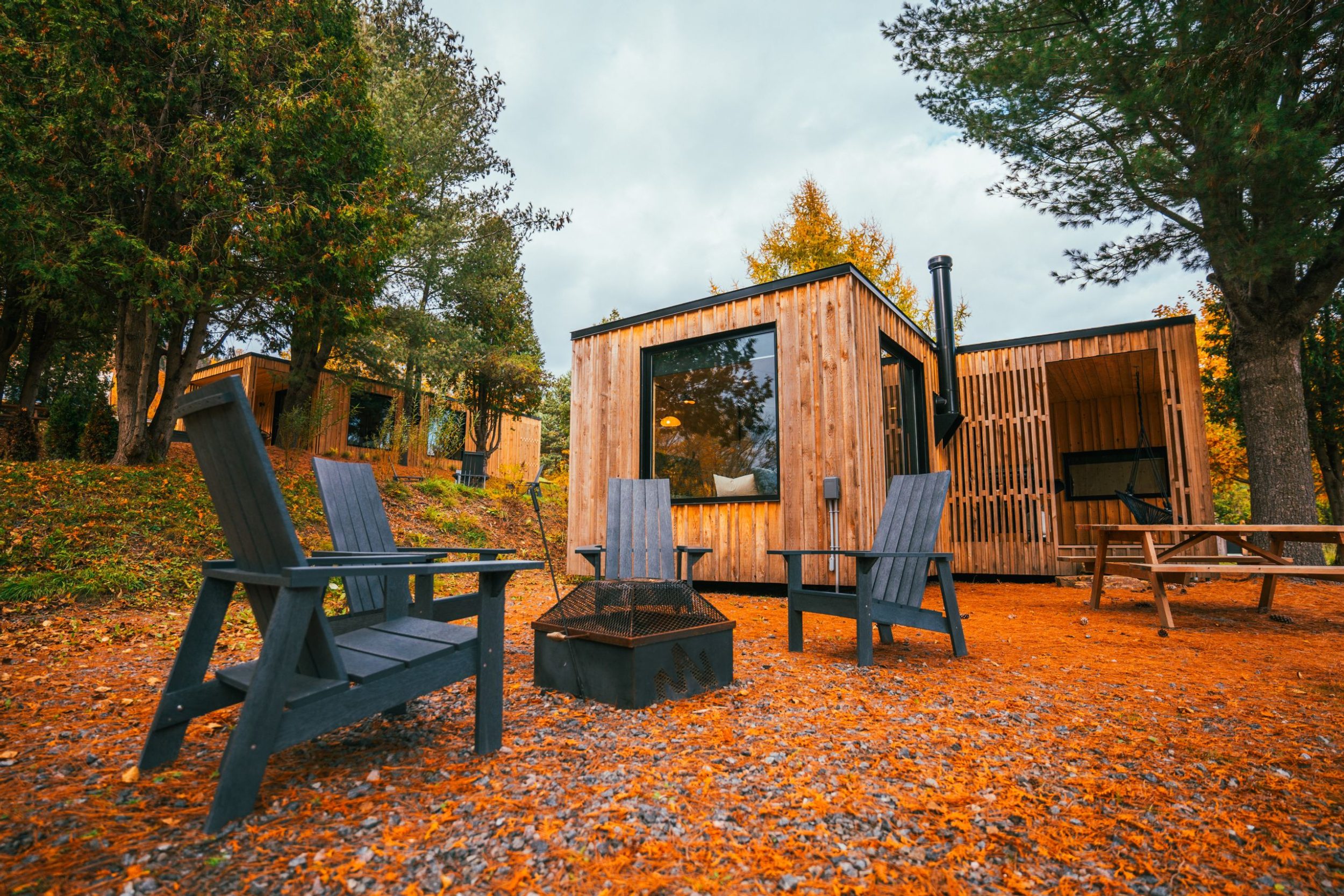
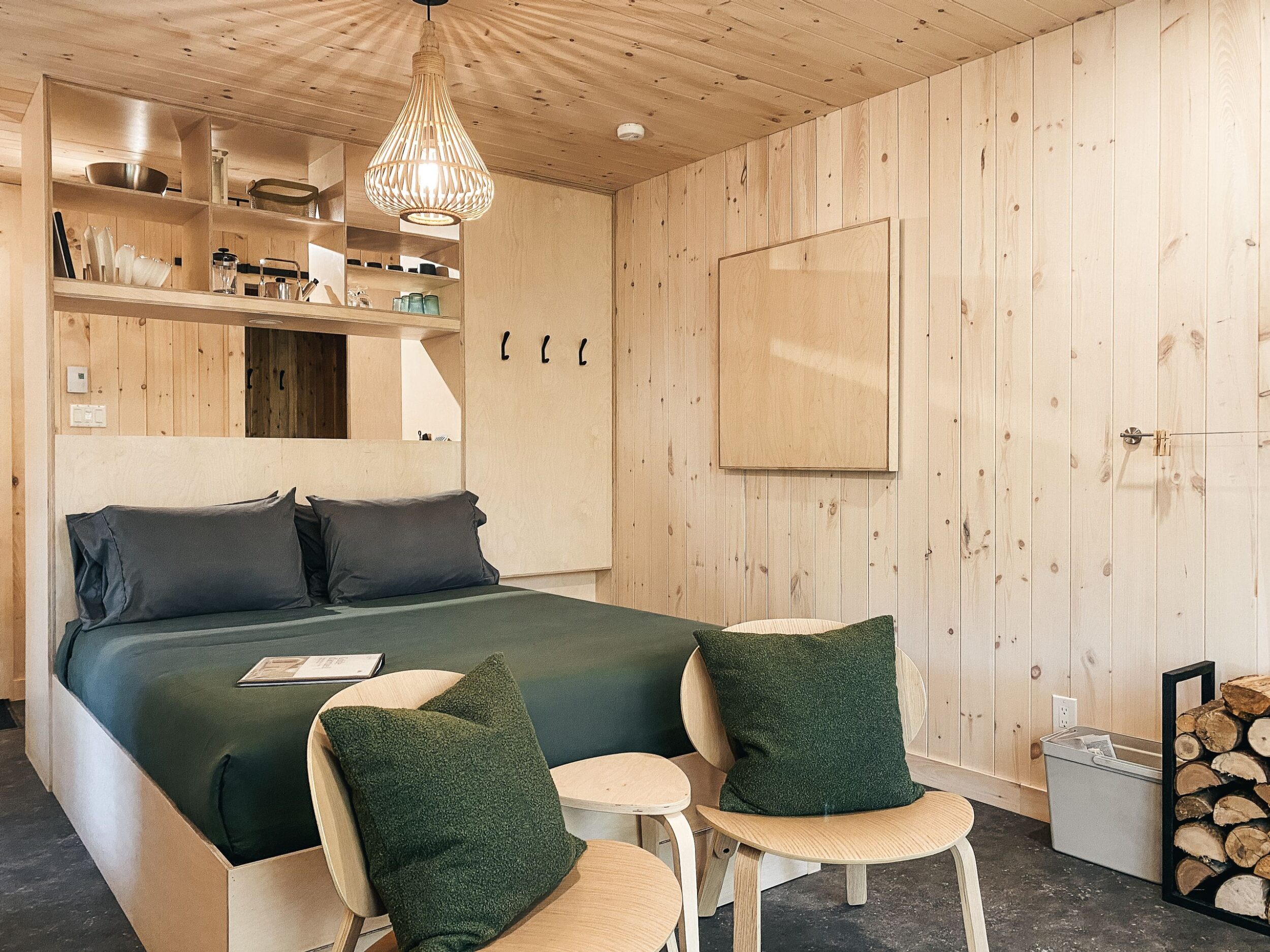
Between river and mountains, Nature Nature overlooks the Saint-Maurice River and is a great base for exploring La Mauricie National Park. You can also stay on site to enjoy the spa or rent outdoor equipment.
The accommodations vary, from micro-shelters to cabins, each with its own identity but guided by the same idea: minimizing impact while maintaining a direct connection to the environment.
A region you can taste, through real encounters
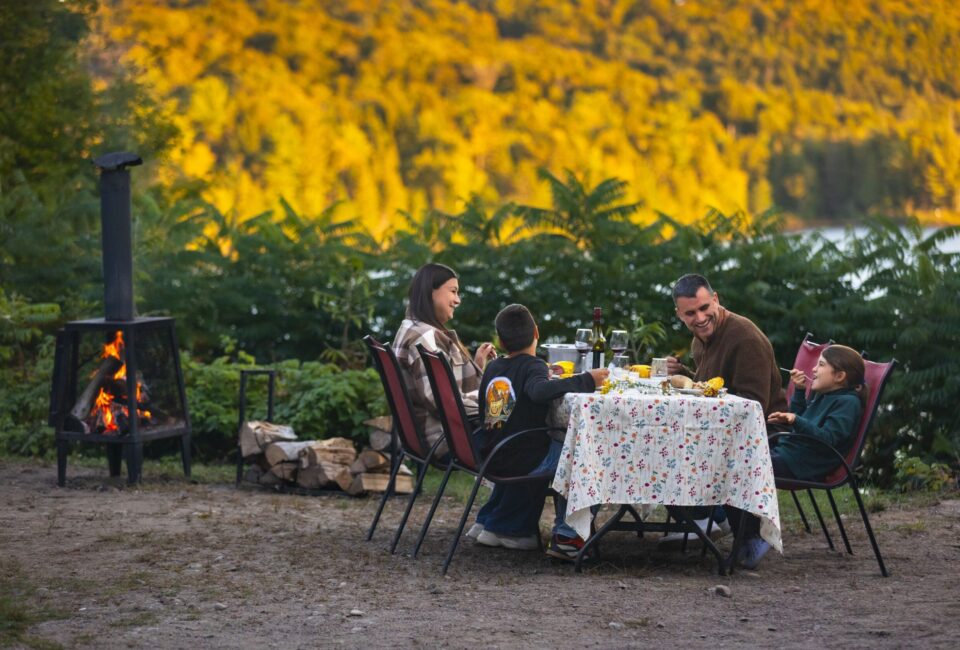
When you step away from classic tourist routes, something shifts in how you travel. You slow down, observe more, and most importantly, take the time to taste what is around you. Here, flavors come directly from the land and the people who live on it.
Goûtez Lanaudière: discovering the region through its producers
Goûtez Lanaudière offers a simple and concrete way to explore the region differently, by meeting the people who produce its food. The initiative brings together farmers and artisans who open their doors and share what goes into their local products.
Five routes make it easy to plan an itinerary, whether for a day trip or with multiple stops. You move from farms to tables, from orchards to shops, without ever feeling locked into a rigid plan. It is a different way to explore Lanaudière, combining landscapes, food stops, and human connections.
The urban and rural flavors route is a good example. At 43 kilometers with five stops, it can easily be done in a day, especially if you are traveling between Montréal and Québec City. It starts just off the highway, making it particularly accessible. It is the kind of small detour that leads to products you will not find in big cities. If you enjoy bringing something back from your trip, it is also a great opportunity to find meaningful Québec souvenirs connected to the territory.
Another interesting route is the Grande Côte and Islands circuit, which follows the St. Lawrence River and highlights a different side of the region, with a stronger maritime influence in some places.
What makes these routes worthwhile is not just the quality of the products, but the opportunity to connect with the people behind them. It is a slower, more human way of discovering the region, often more memorable than a single activity.
Au Jardin des Noix: a deeply rooted local production
At Jardin des Noix, you discover a type of farming that is still relatively rare in Québec: northern nut trees. The work is done patiently, adapting to the climate and the rhythm of the seasons. A visit helps you understand the production process and taste products made on site that reflect local expertise.
Distillerie Grand Dérangement: a story in every bottle
Distillerie Grand Dérangement draws inspiration from Acadian heritage and a desire to produce differently. Their spirits are made from local ingredients, with careful attention to environmental impact. Tasting on site helps you understand the production choices and the connection between land, history, and the final product.
Mauricie Mycological Sector: exploring the forest differently
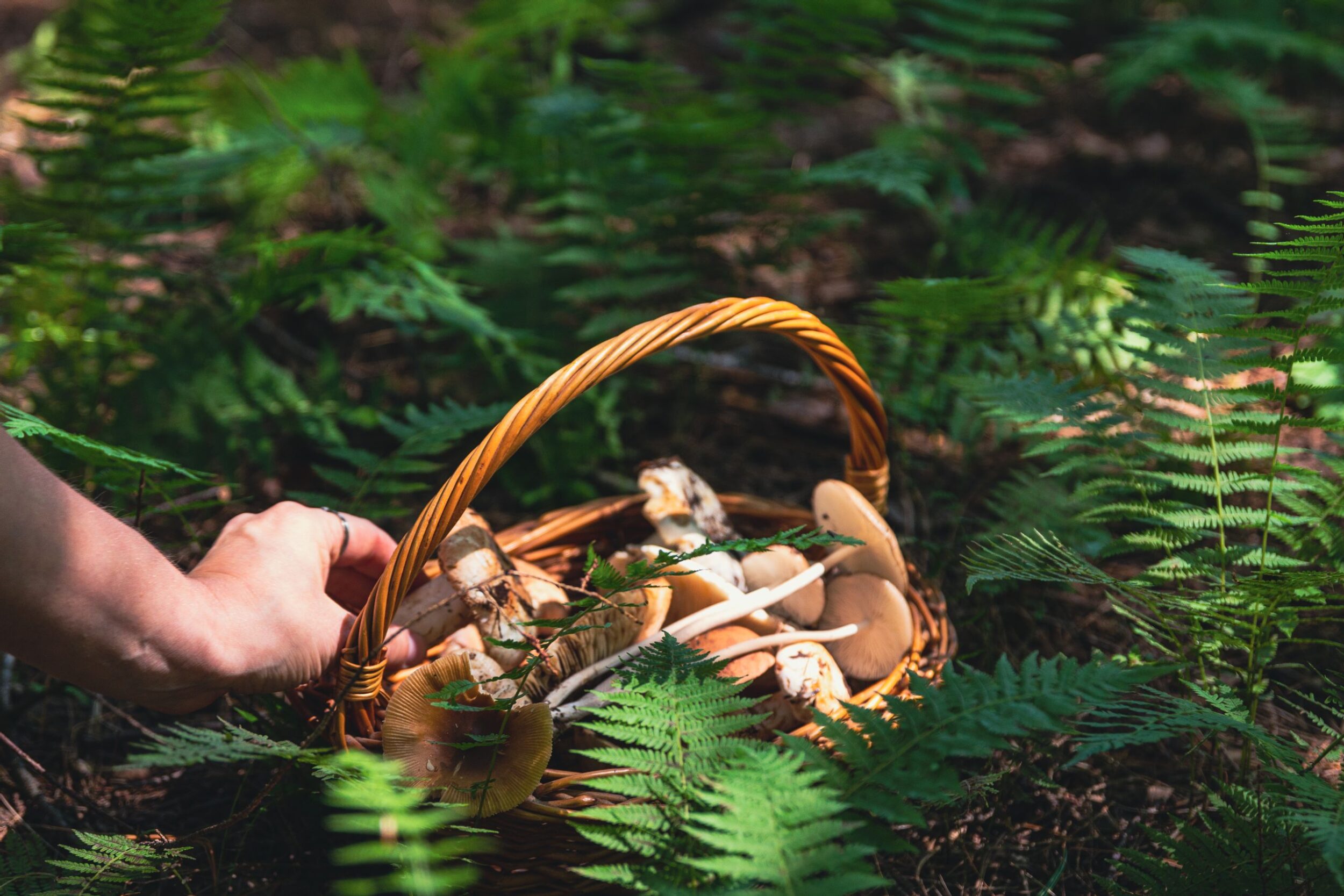
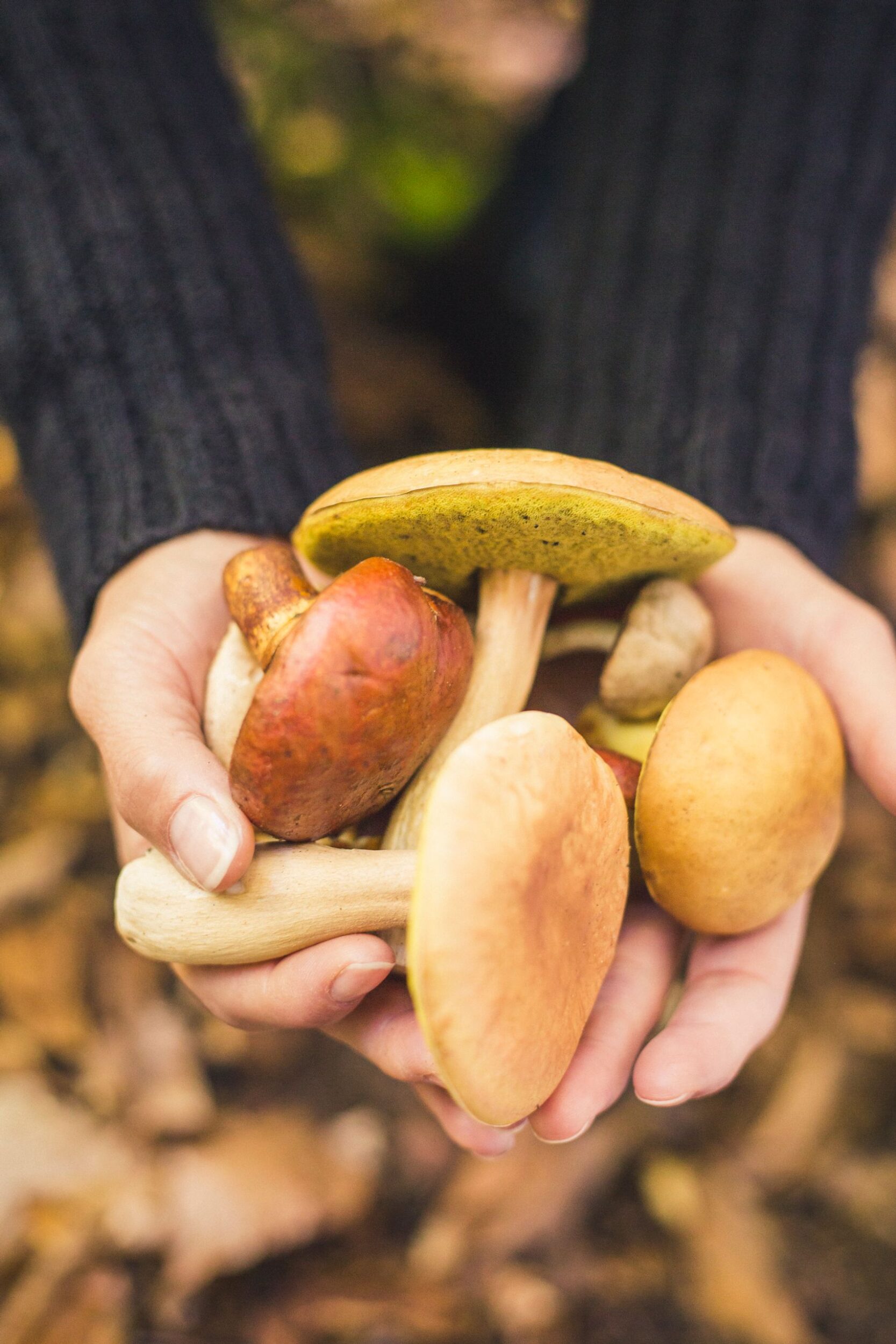
The Mauricie mycological sector offers activities focused on discovering forest mushrooms and understanding their role in the ecosystem. Guided outings teach you how to observe, identify, and harvest responsibly. It is an accessible activity that changes how you see the forest and what it offers.


Trois-Rivières: a cultural stop not to miss
After several days in nature, arriving in Trois-Rivières does not feel like a complete shift. The city is easy to explore on foot, with a pace that remains close to what you have already experienced.
Delta Trois-Rivières: between river and downtown
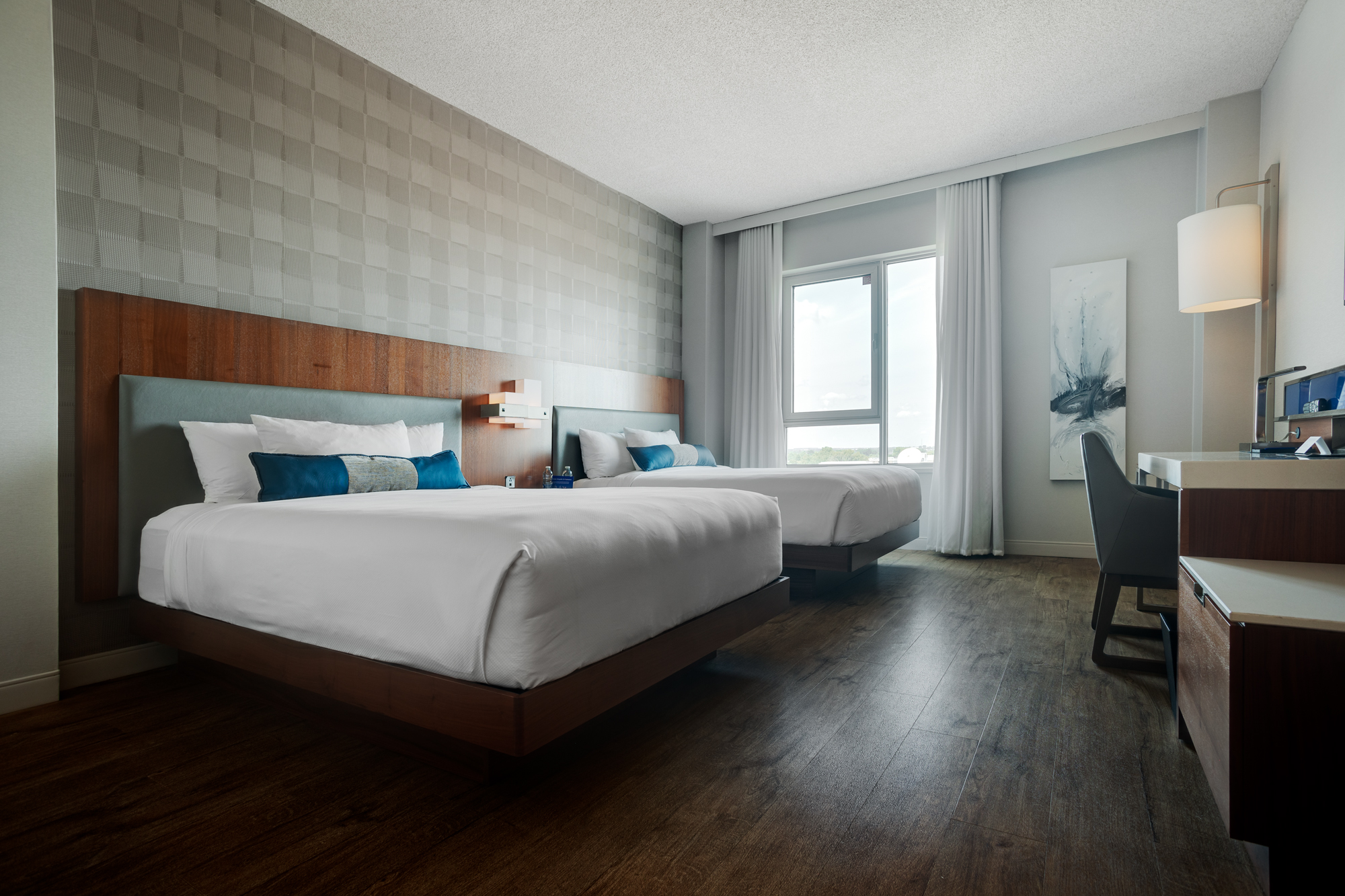
In Trois-Rivières, the Delta offers a comfortable base, ideally located to explore the city easily on foot. You can reach the riverfront, restaurants, cultural venues, and Rue des Forges, lively and pedestrian-friendly in summer.
After several days in nature, it is a place where you can slow down without disconnecting from the experience.
Rooms are comfortable and contemporary, with views of either the river or the city. Everything is designed to make your stay easy, whether for one night or several days. It is also a great starting point for enjoying local events while returning to a quieter atmosphere afterward.
Musée POP: understanding Québec through its people
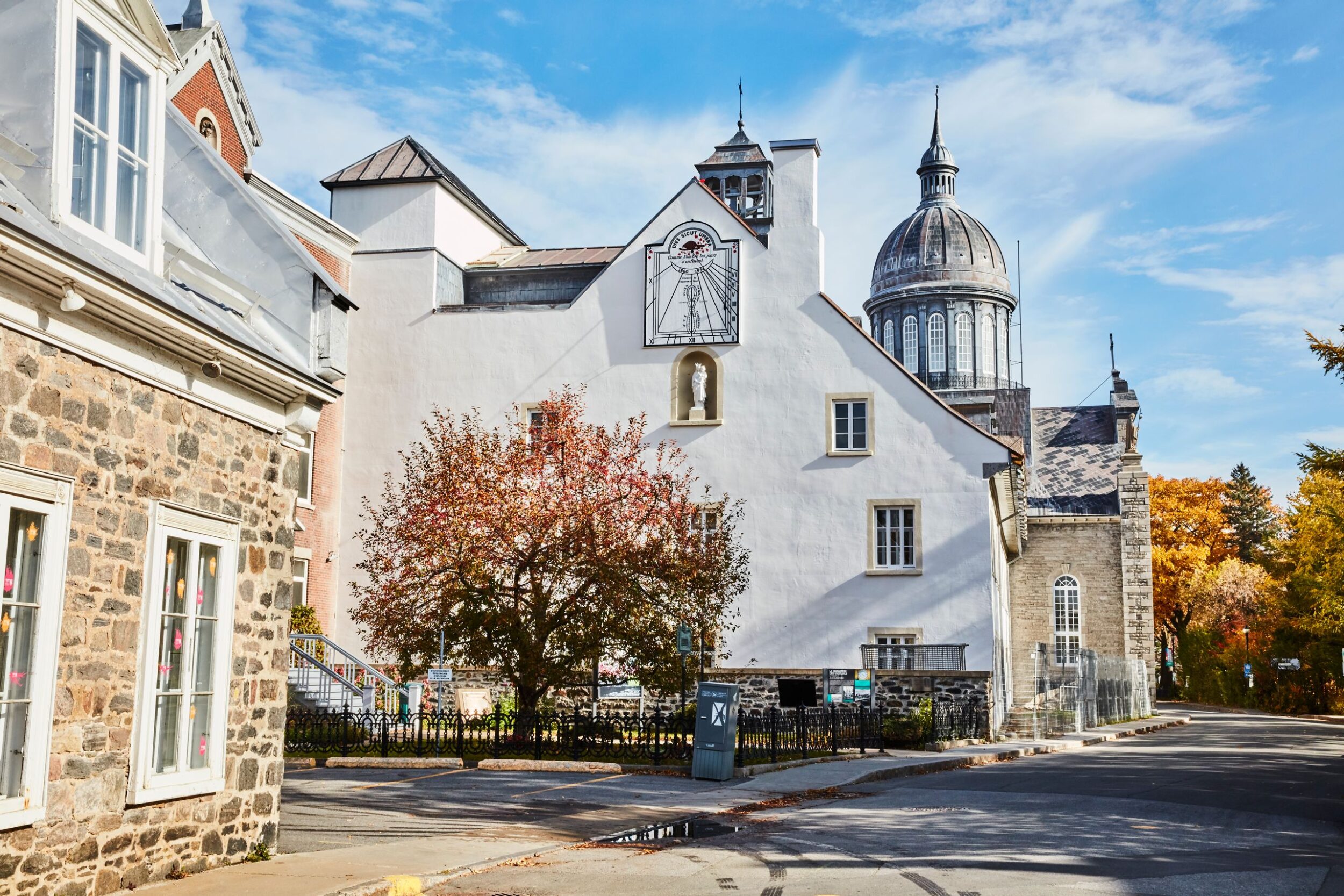
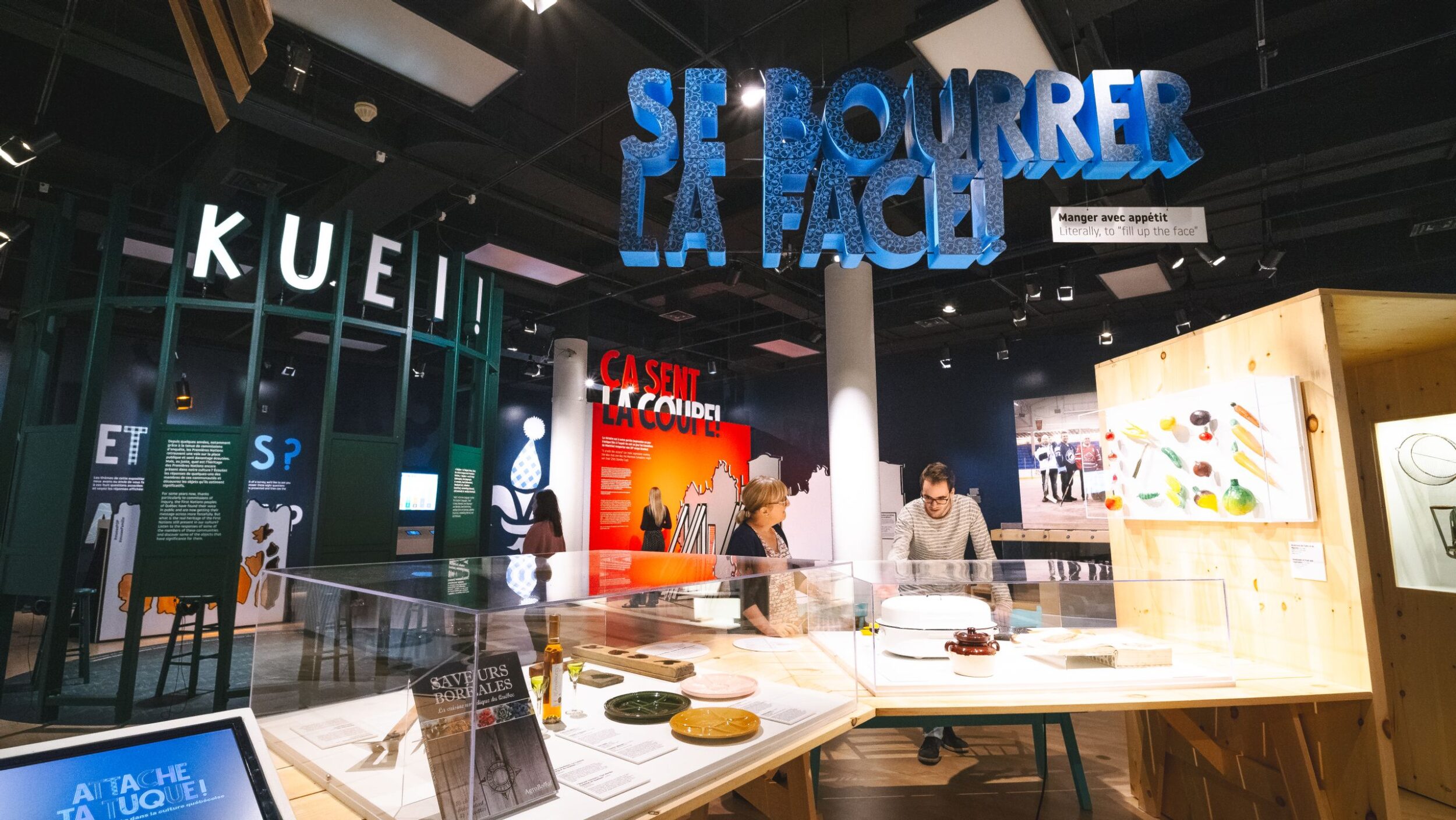
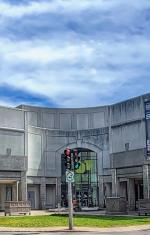
Musée POP offers an accessible and concrete look at Québec society. It explores traditions, lifestyles, and lesser-known realities in a direct and engaging way. The visit is easy and helps you better understand the region you have just explored, beyond landscapes and clichés.
Amphithéâtre Cogeco: ending on a memorable note
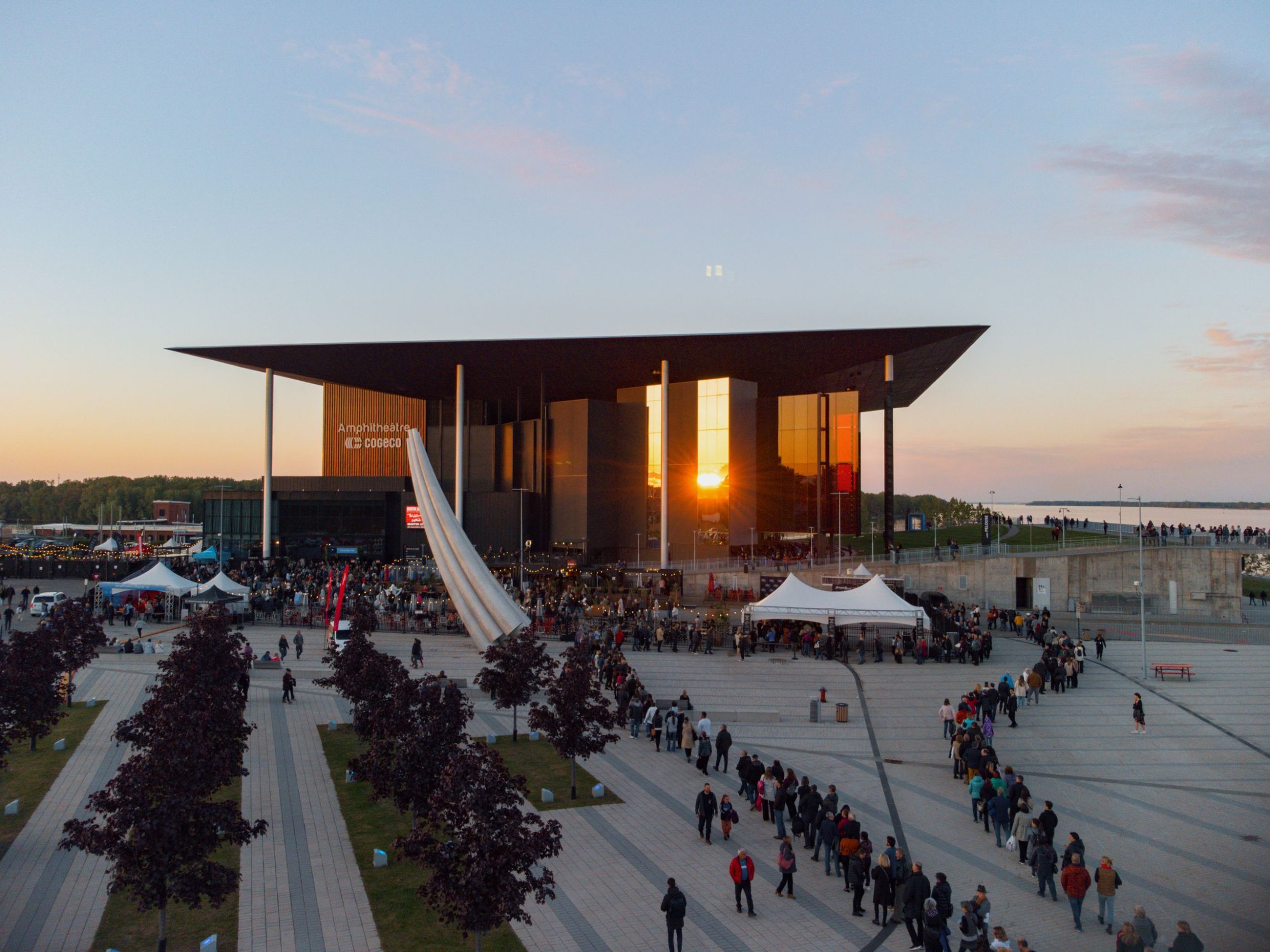
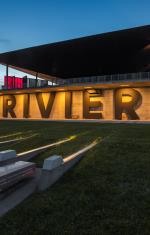
Located along the river in Trois-Rivières, the Cogeco Amphitheater has become a major cultural venue in Québec. Every summer, it hosts a diverse outdoor program.
In 2026, Cirque du Soleil presents a show paying tribute to Jean Leloup, an iconic figure in Québec music. Running from July 15 to August 15, it is a must-see if you are visiting Québec during that time.
Between Montréal and Québec City, it is easy to stay on the road without stopping. Yet it is often when you take a detour that the trip truly changes.
What you find in Mauricie and Lanaudière is a simpler relationship with the land, places you come to understand by staying a little longer, and above all, people who still take the time to share what they know.
You do not come here to check off stops, but to experience something more grounded and real. And more often than not, those are the places that stay with you long after you return home.