When people talk about a sugar shack in Quebec, they’re not just talking about maple syrup. They’re talking about a spring ritual.
Here in Quebec, sugar season matters. It signals the end of winter. The days get longer, the snow softens, and families start planning their visit to the cabane à sucre.
If you’ve never heard of it, you’re not alone. Most Americans know maple syrup. Few know what a real sugar shack experience feels like.
Let me show you.
What Is a Quebec Sugar Shack?
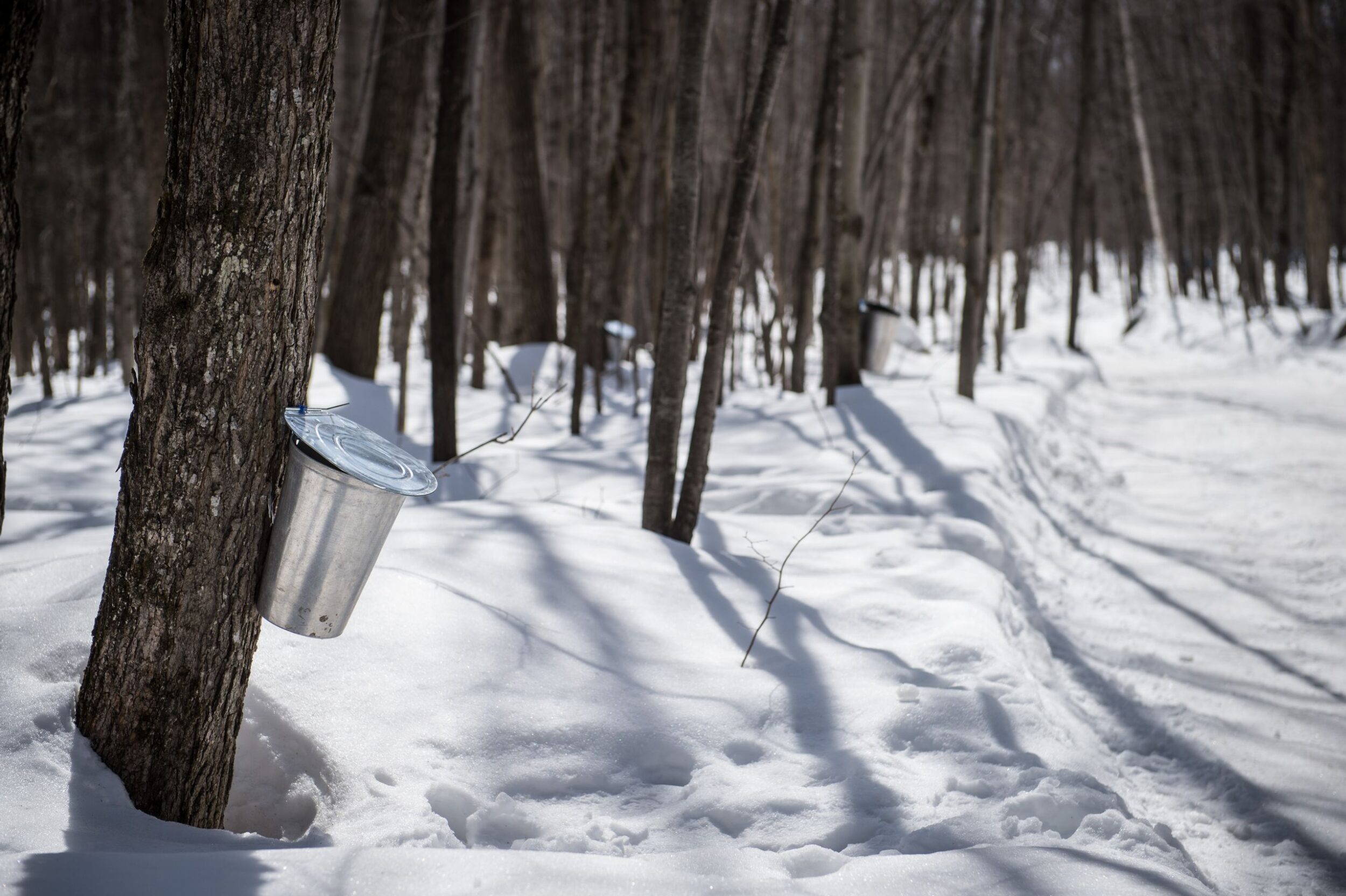
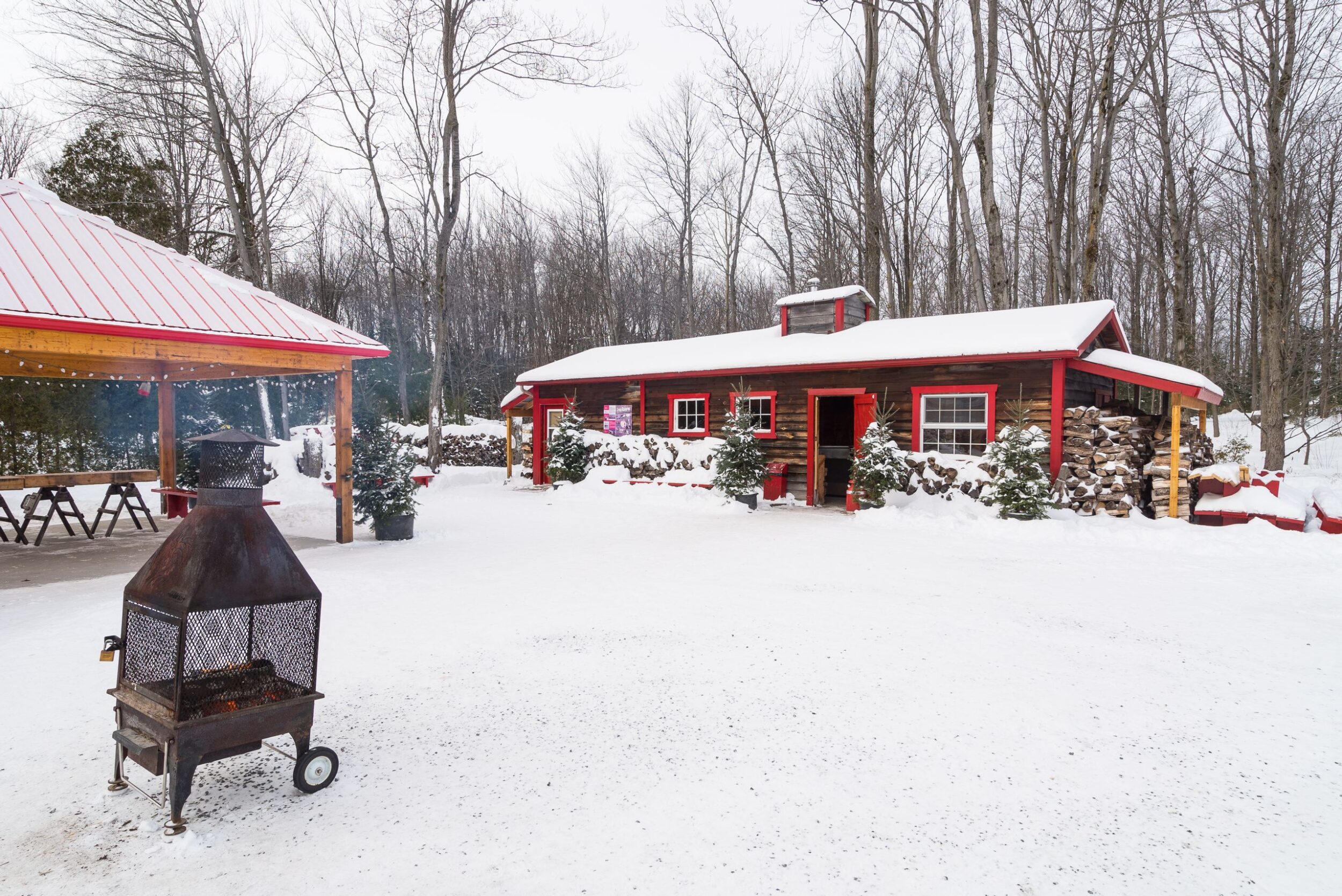
A traditional cabane à sucre (often called a sugar shack) began as a small wooden building tucked inside a maple forest. In early spring, maple sap is collected and boiled down on site until it becomes syrup.
Today, a sugar shack is also a place where people gather. It’s one of those experiences that feels simple, but stays with you. For many visitors, it becomes a highlight of a trip in Quebec, especially if you’re traveling with kids.
People come to:
- Share a generous, maple-heavy meal
- Sit at long communal tables
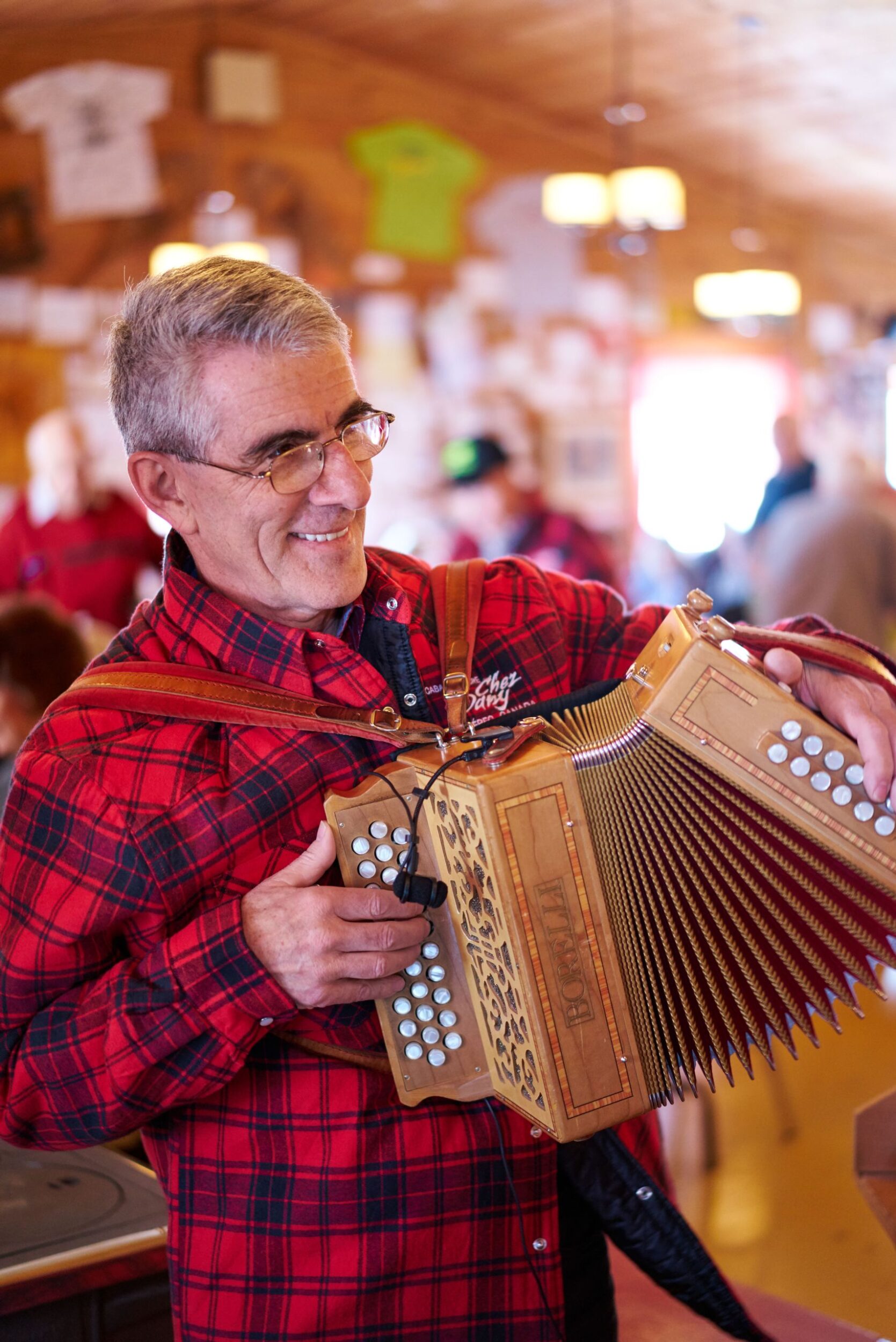
- Listen to folk music
- Try maple taffy poured directly onto snow
When the nights are cold and the days get warmer, sap begins to flow. Producers collect it and boil it for hours until it reaches the right density.
But what stays with you isn’t the science. It’s the atmosphere, the smell of wood smoke and the sound of families talking across long tables. The feeling that winter is finally ending.
Fun Fact
To make 1 liter of maple syrup, you need on average about 40 liters of sap. The exact ratio can change depending on the sugar content of the sap.
Then comes the long part. Sap has to boil for hours. Producers watch the process closely, because syrup is all about density. That “magic moment” happens when the liquid hits the right concentration, which is around 104°C / 219°F.
It’s simple in theory. In practice, it takes experience, patience, and a lot of steam.
A Tradition Rooted in Indigenous Knowledge
Long before European settlers arrived, Indigenous Peoples already knew how to harvest maple sap. They understood the tree’s cycle and the value of its spring flow.
French settlers adopted these techniques and refined them over time. Maple syrup production became a vital seasonal activity in rural Quebec.
Across generations, the sugar shack evolved—from a practical shelter in the woods into the springtime celebration it is today.
Quebec: The World’s Maple Syrup Powerhouse
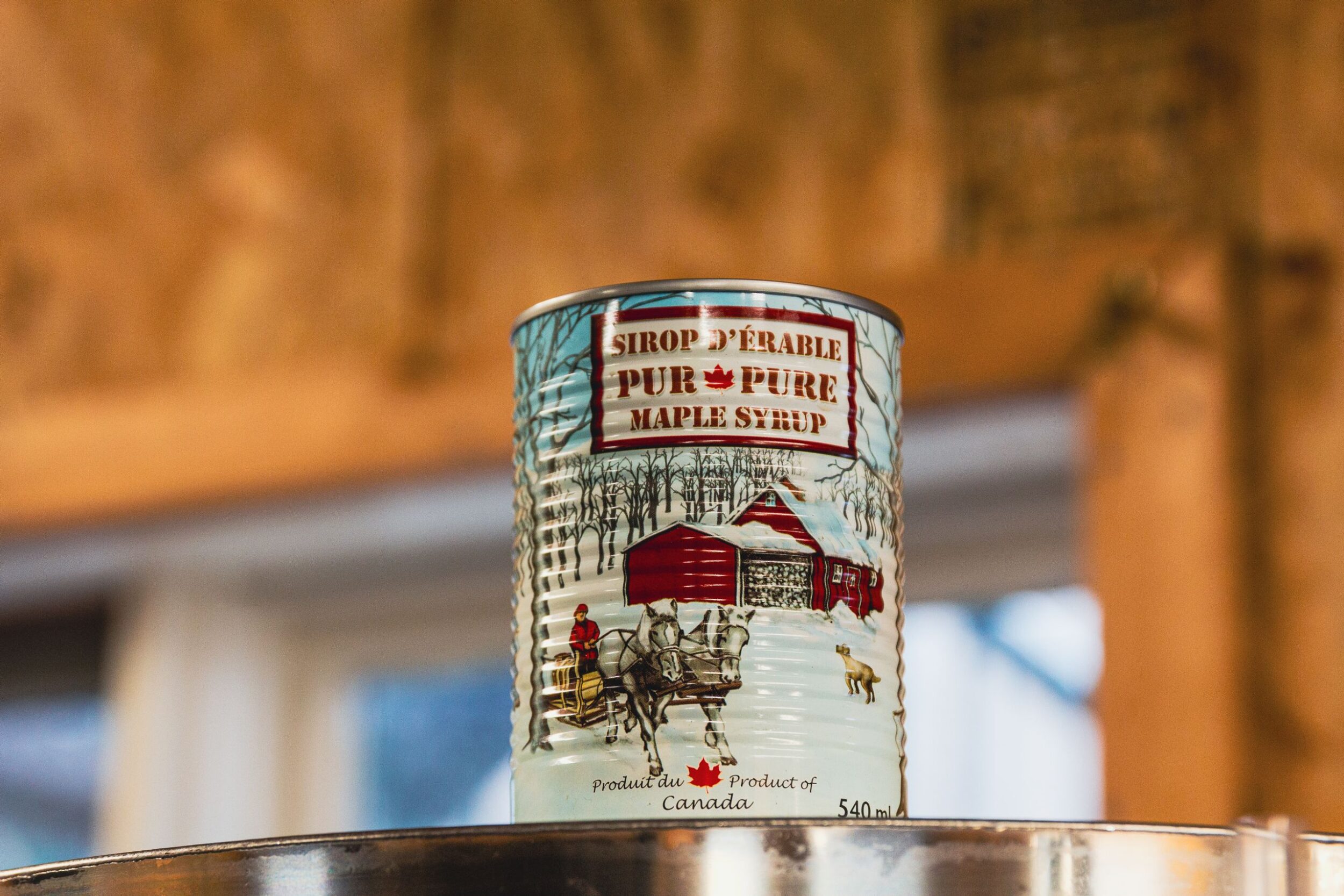
Quebec produces around 73% of the world’s maple syrup, making it the undisputed global leader.
Why Quebec? The climate is ideal: cold winters and short springs with a big temperature swing between day and night. That contrast is what triggers sap flow.
Maple production supports thousands of families—and it shapes Quebec identity. Maple syrup here isn’t just a sweetener. It’s a symbol.
What to Expect at a Sugar Shack Meal
If it’s your first time, come hungry. This is not a light brunch.
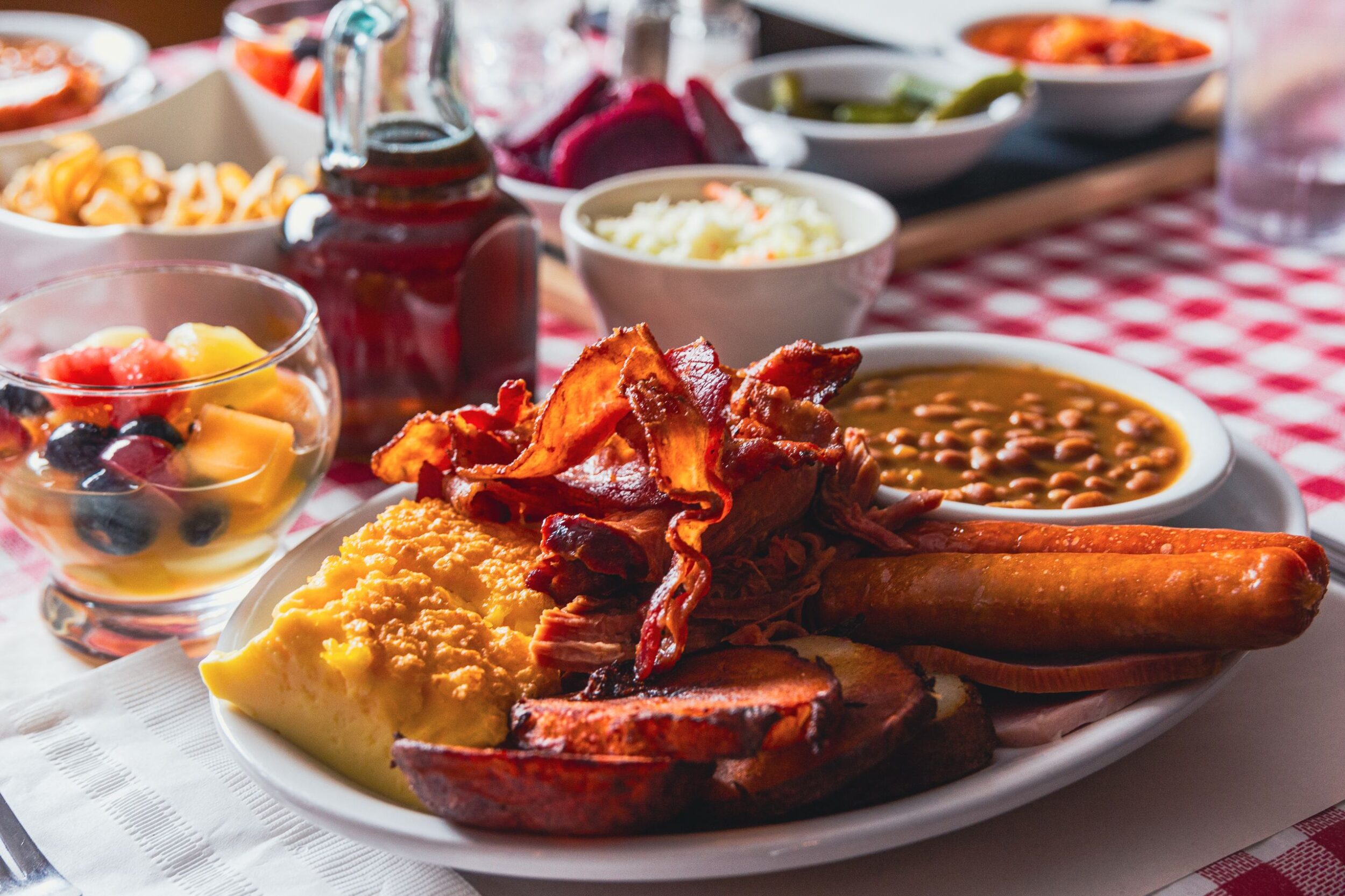
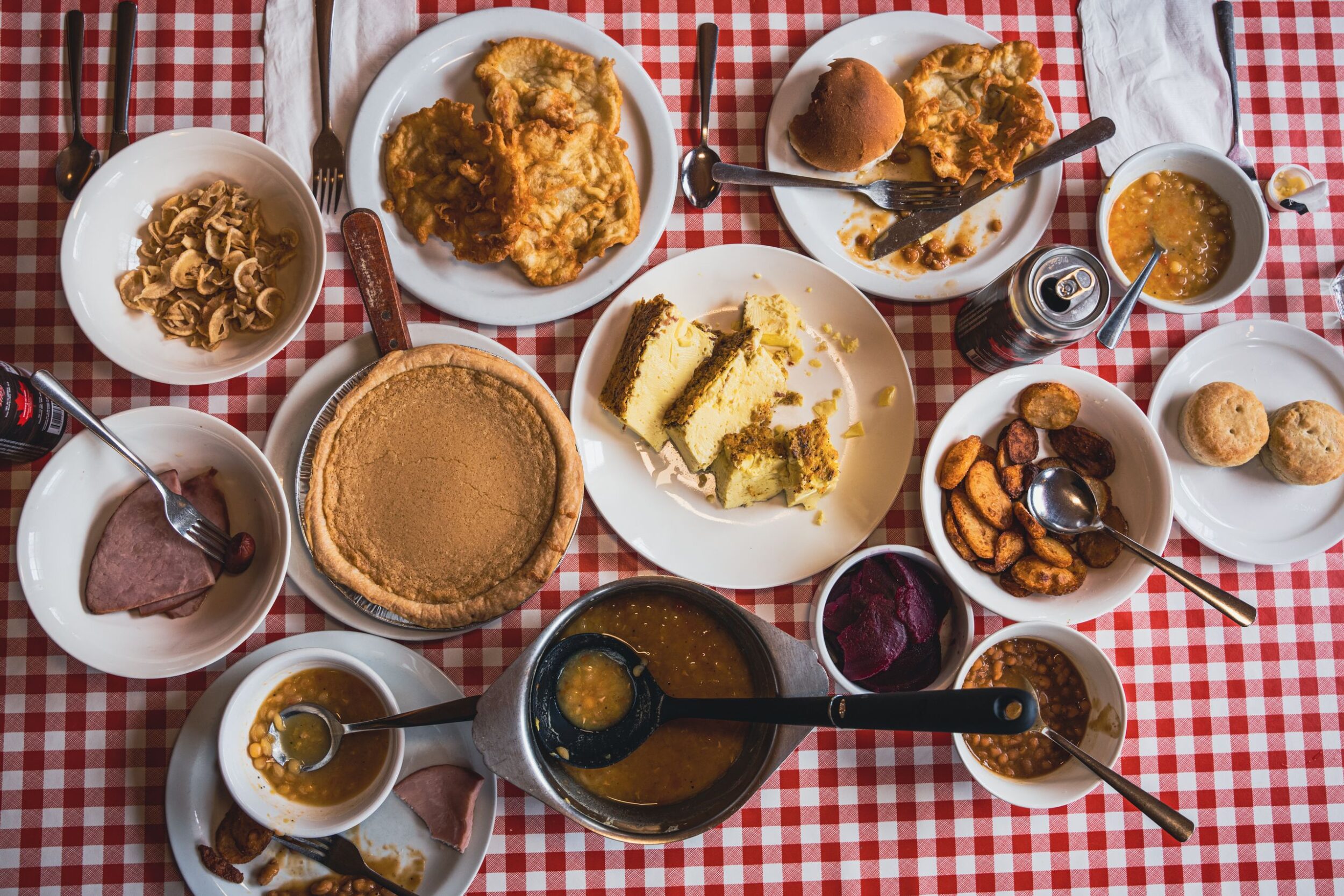
A classic sugar shack menu often includes:
- pea soup
- baked beans
- omelets
- maple-glazed ham
- sausages
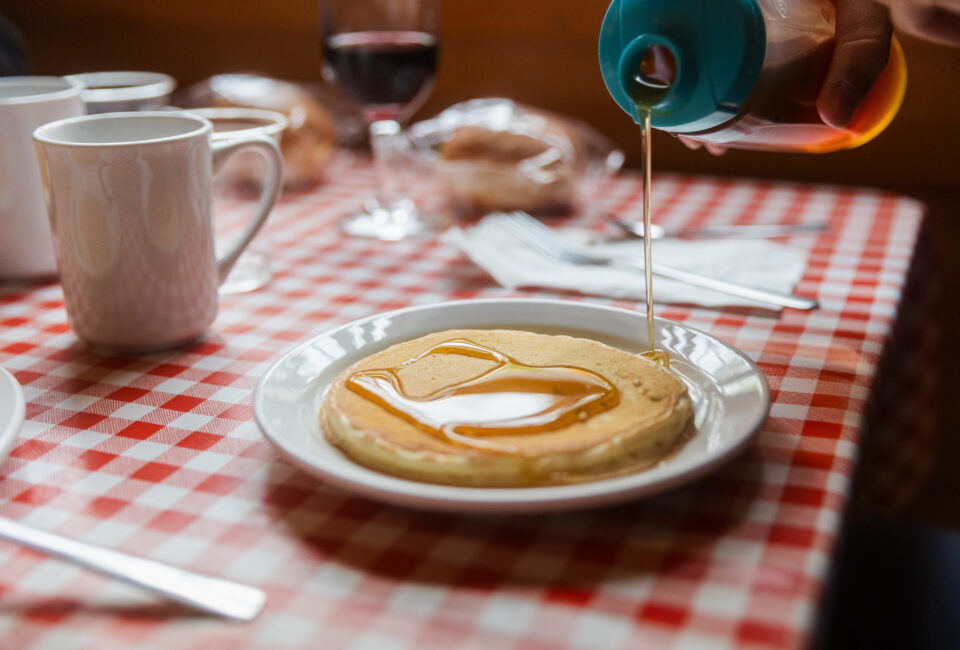
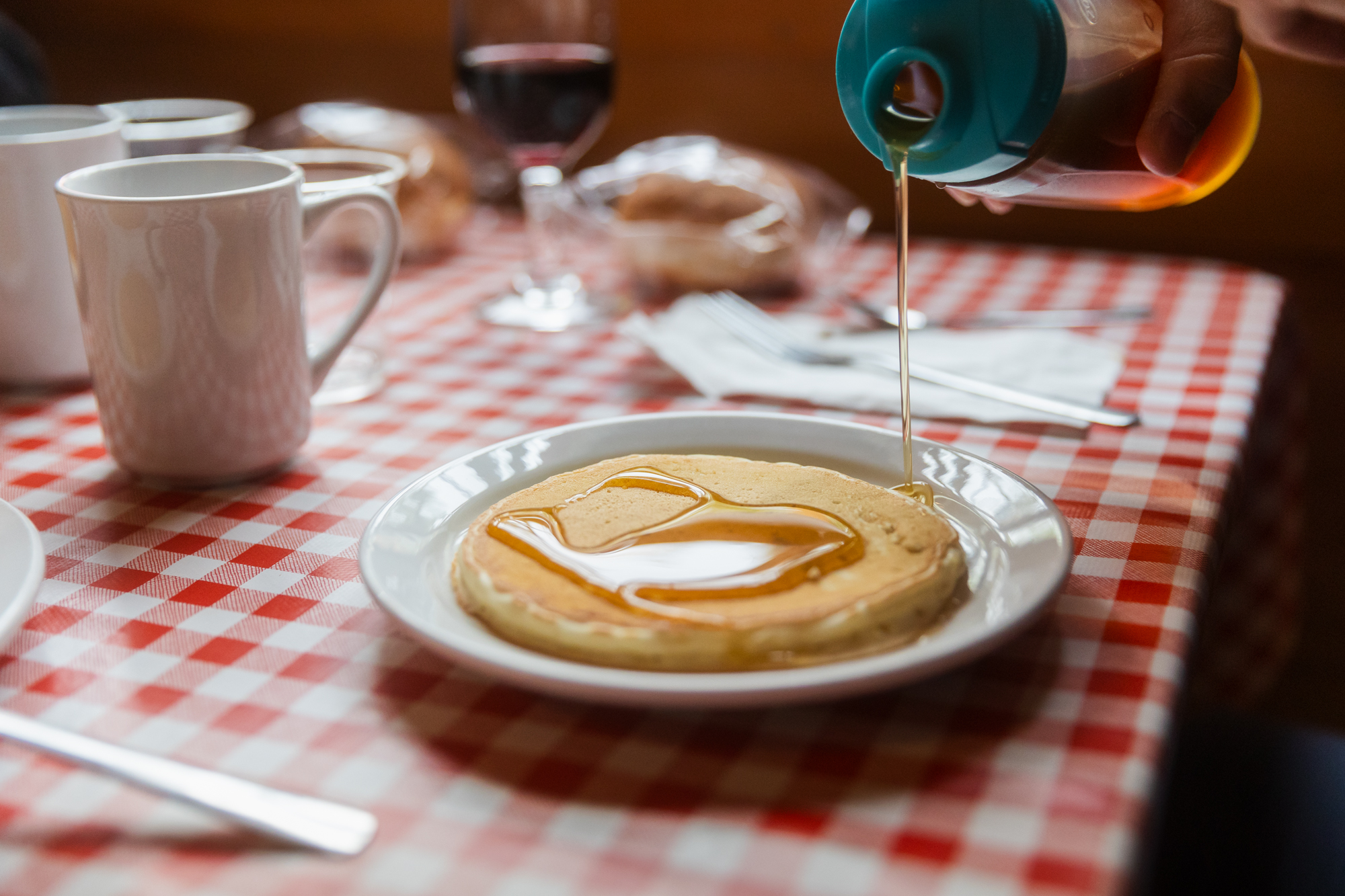
- thick pancakes
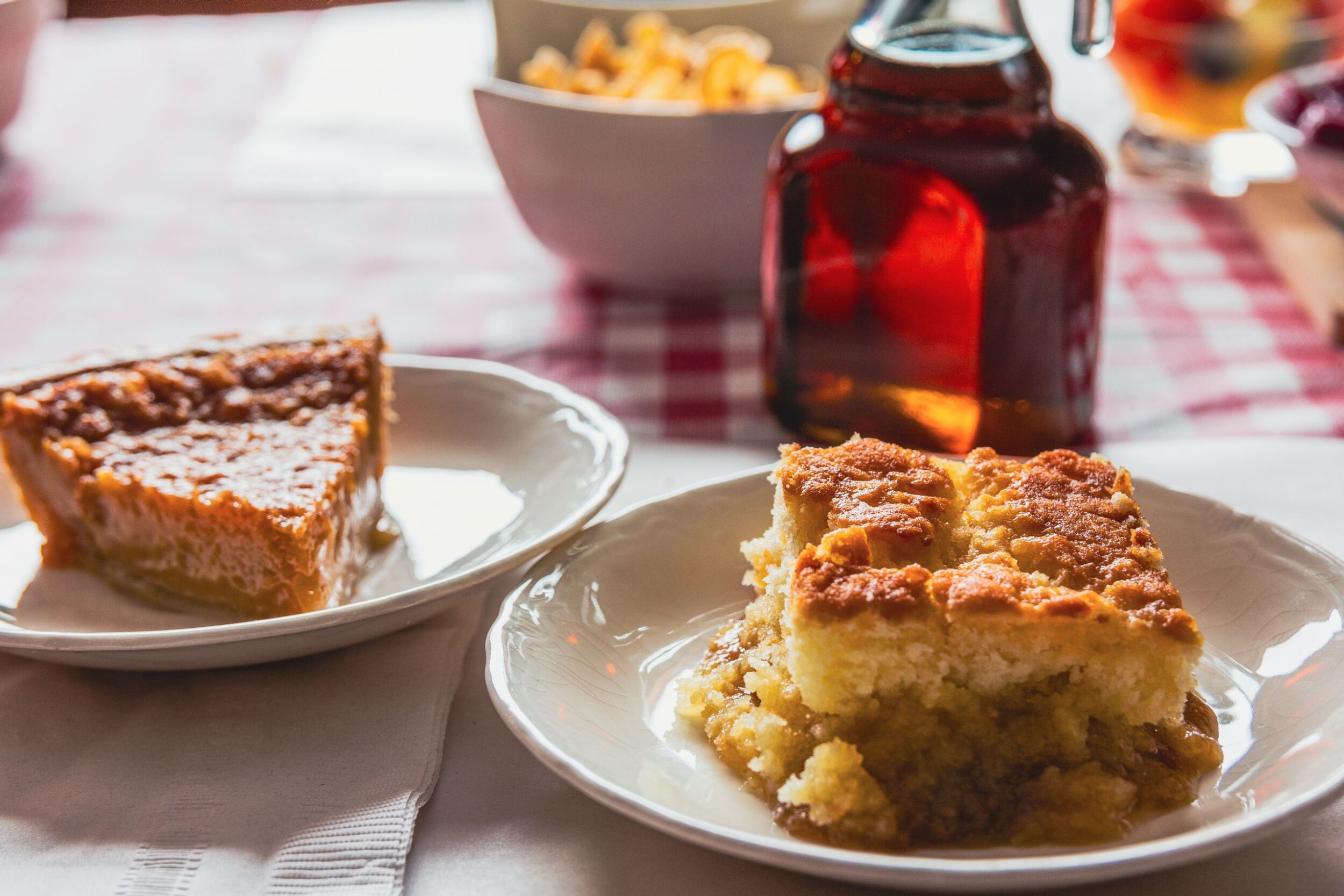
- pouding chômeur (a warm Québec dessert cake)
- sugar pie
- and more…
And yes, maple syrup shows up everywhere, including on savory dishes.
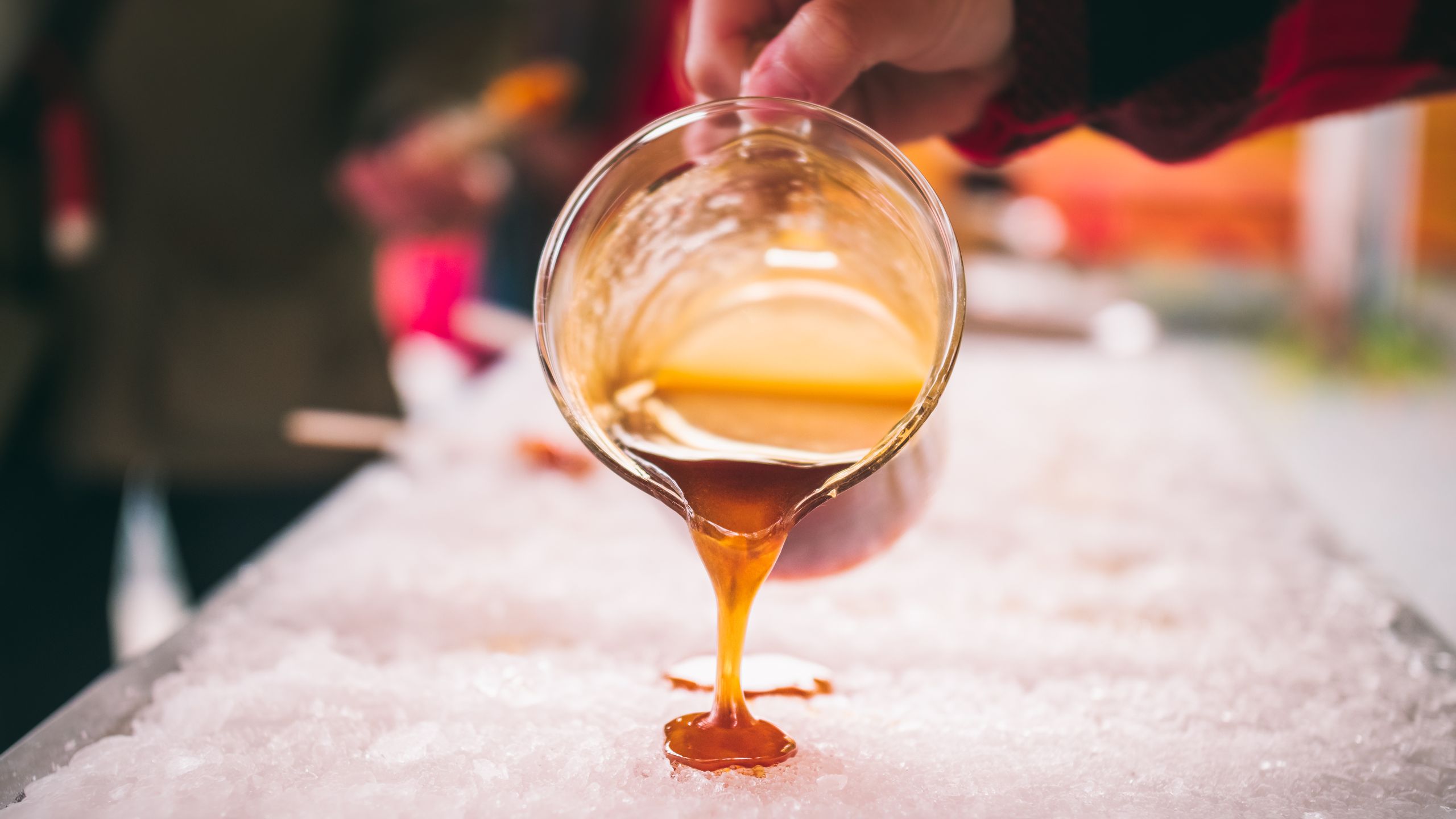
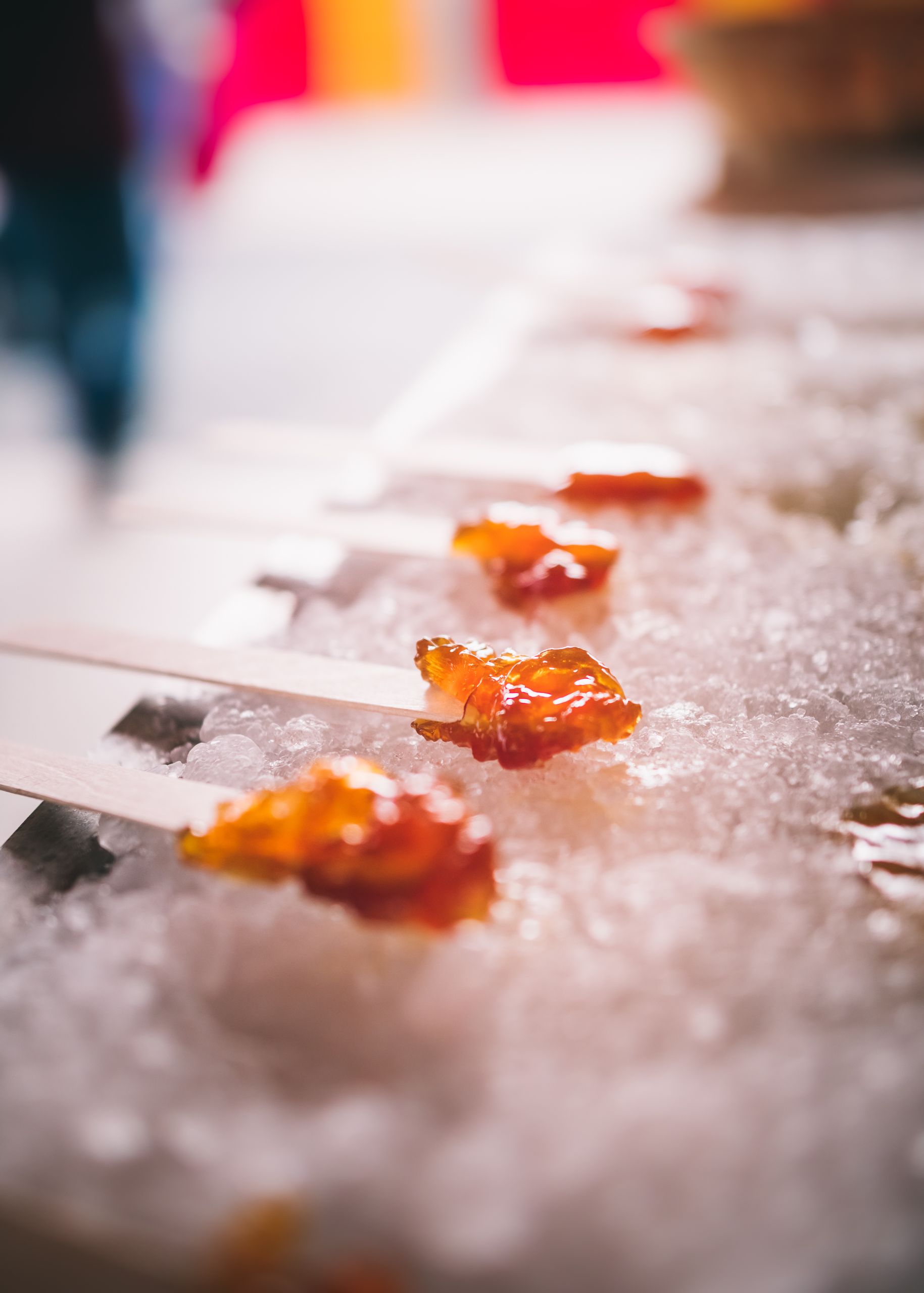
Then comes the moment everyone remembers: maple taffy on snow. Hot syrup is poured onto clean snow, it instantly thickens, and you roll it onto a stick. Simple, fun, and incredibly Quebec.
Sugar shack season isn’t staged folklore. It’s a living tradition, one that tells a story about people adapting to a demanding climate and turning a short spring window into a celebration.
Quebec Authentic Tip
During sugar season, the ground is often a mix of snow, slush, mud, and ice. Bring waterproof boots and warm socks, even if the sun is out.
Dress in layers (t-shirt + fleece/wool + jacket) so you’re comfortable both indoors (warm dining room) and outside.
Sugar Shacks Today: Tradition Meets a New Wave
Sugar shacks are evolving. Some now offer a more chef-driven, modern take on classic dishes. Others focus on organic farming, local sourcing, and small-batch artisanal production.
In Mauricie and Lanaudière, you’ll find everything from family-run classics to educational maple farms to more creative, smoke-and-maple culinary concepts.
What never changes: it’s about being together.
Where to Experience a Real Sugar Shack in Mauricie and Lanaudière
Here are recommended spots for an authentic experience, tested or selected for their approach.
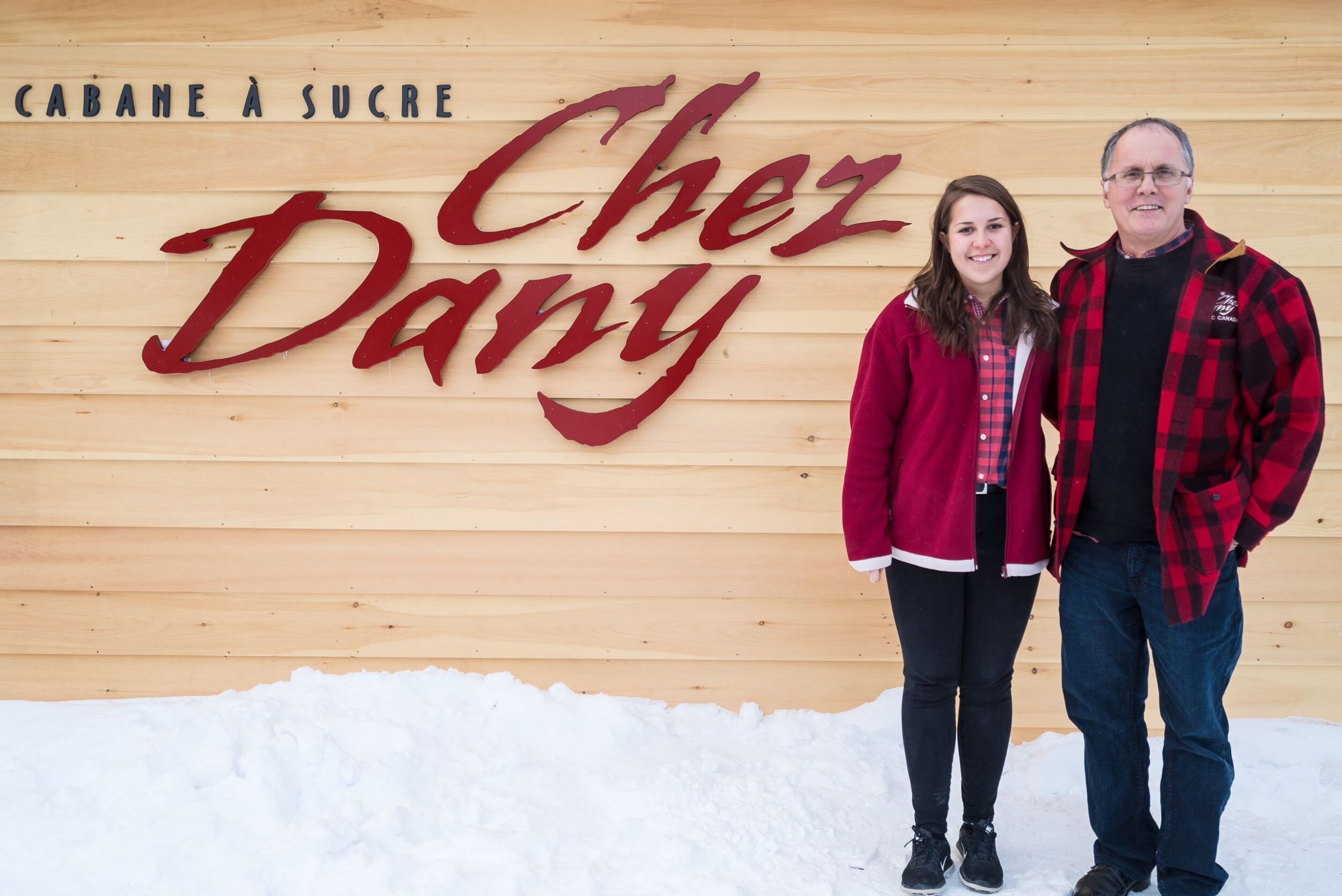
Cabane à sucre Chez Dany (Mauricie)
One of the rare sugar shacks in Mauricie offering a full traditional meal year-round, served in a dining room.
Expect all the classics: pea soup, baked beans, omelets, maple-smoked ham, pork rinds, pancakes, and maple taffy on snow.
Ideal if you’re visiting outside peak season and still want the full experience.
Practical info
- Address: 195, rue de la Sablière, Trois-Rivières, QC
- Open year-round
- Website: https://cabanechezdany.com/en/
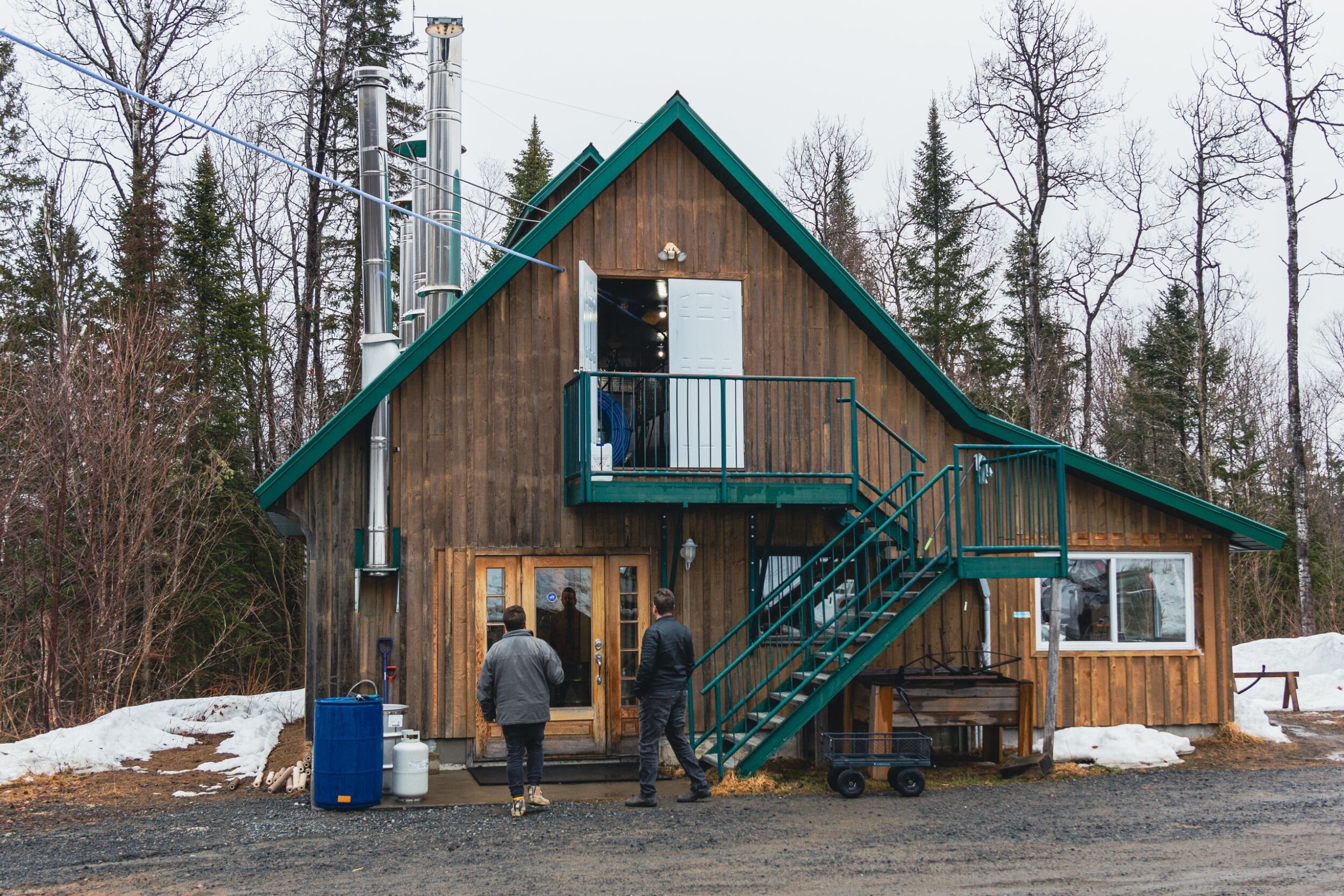
Cabane à sucre Saint-Mathieu-du-Parc (Mauricie)
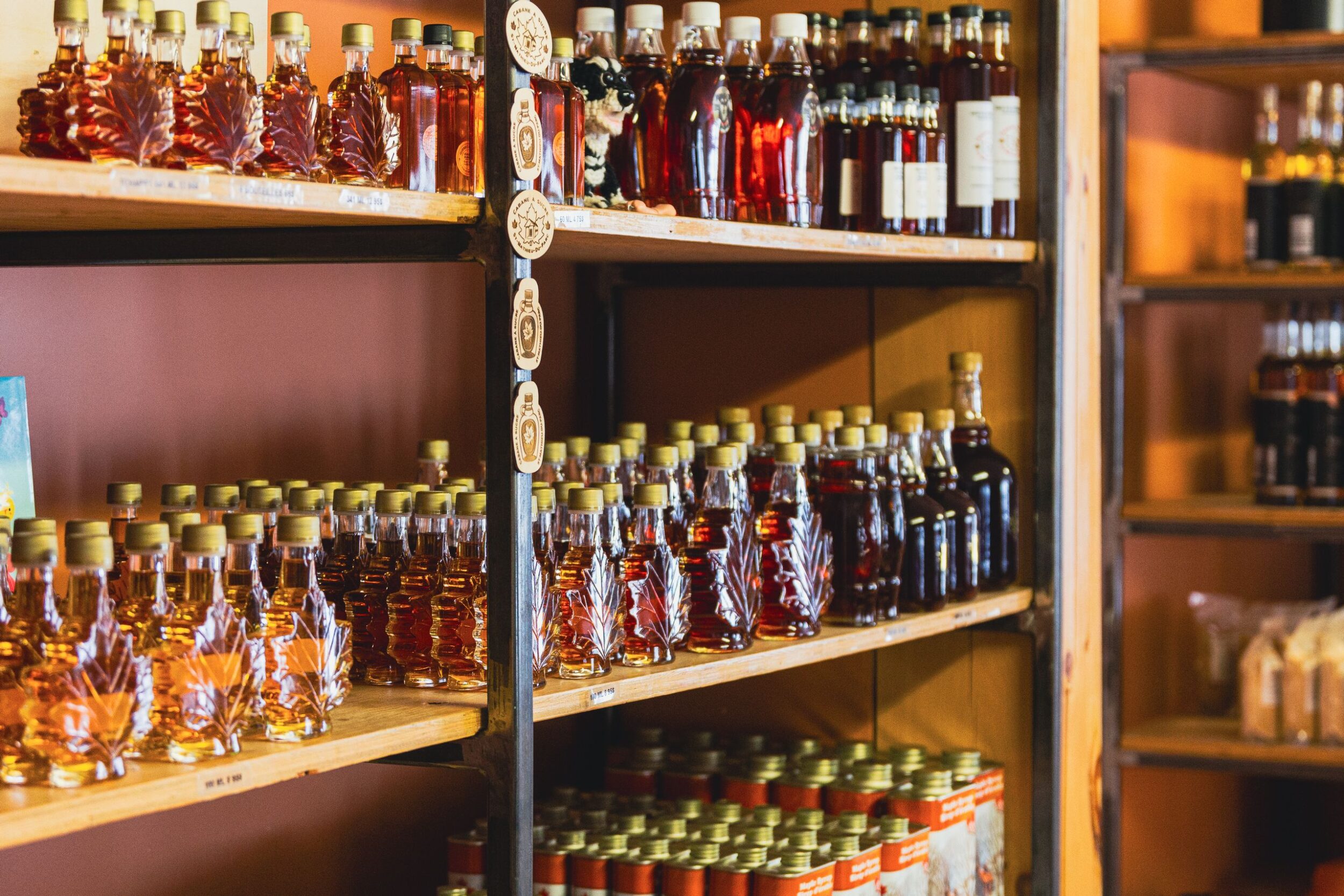
This sugar shack focuses more on maple products and tastings than on large traditional banquets. It’s a great place to discover the different forms maple takes: syrup, maple butter, maple sugar, and other small-batch specialties.
If you’re hoping to bring something home, this is an ideal stop. Many travelers visiting Quebec look for meaningful, food-based gifts, and maple products are among the most authentic options you can pack. We actually share more ideas in our guide to authentic Canadian souvenirs you can bring home.
This location is especially interesting if you want to understand the transformation process from sap to syrup and leave with something tangible from your visit.
Practical info
- Address: 1371, chemin Principal, Saint-Mathieu-du-Parc, QC
- Open year-round (reservations needed for visits/boutique Nov 1–Apr 30)
- Website: https://cabanesucresaintmathieuduparc.ca/
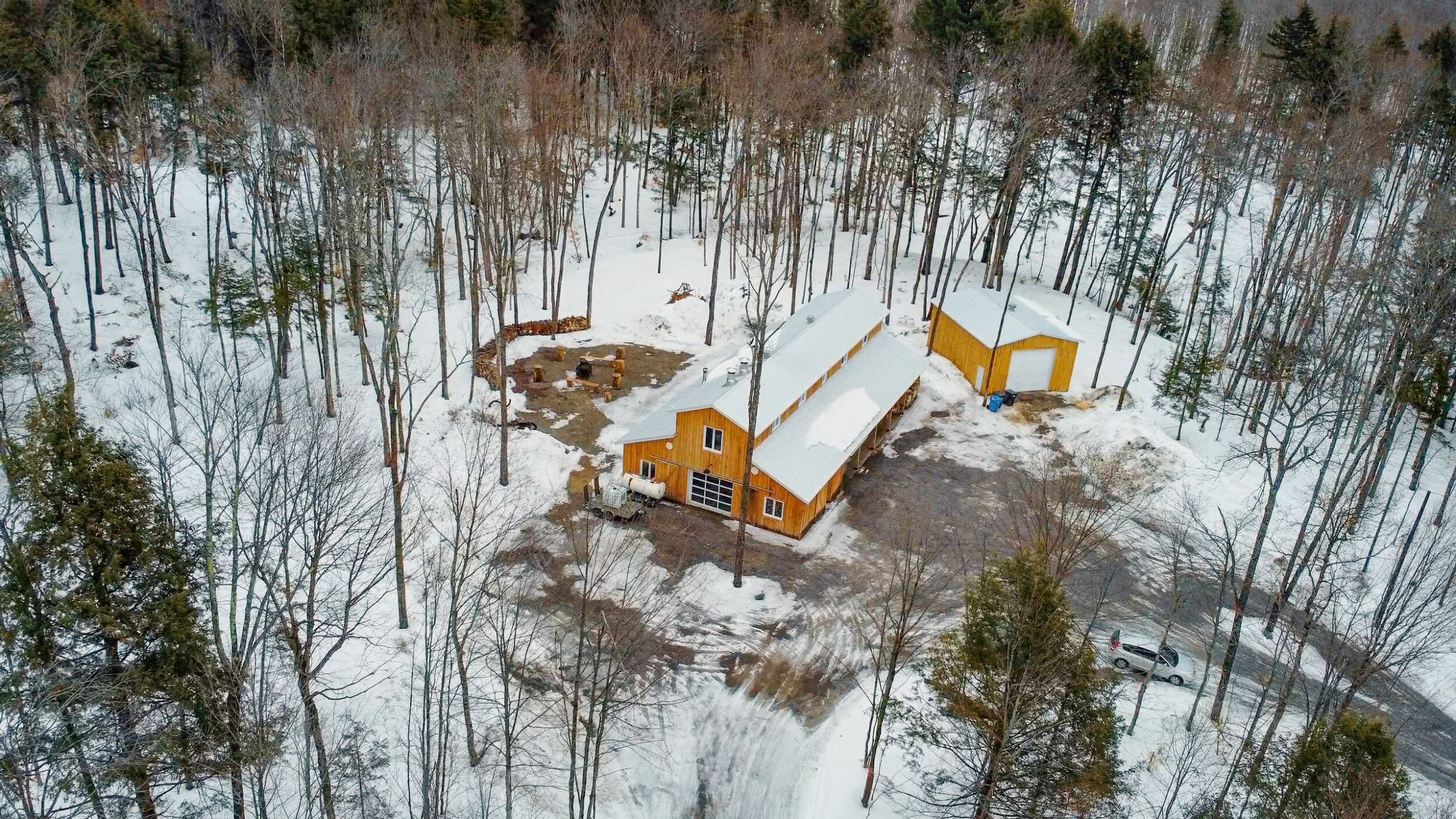
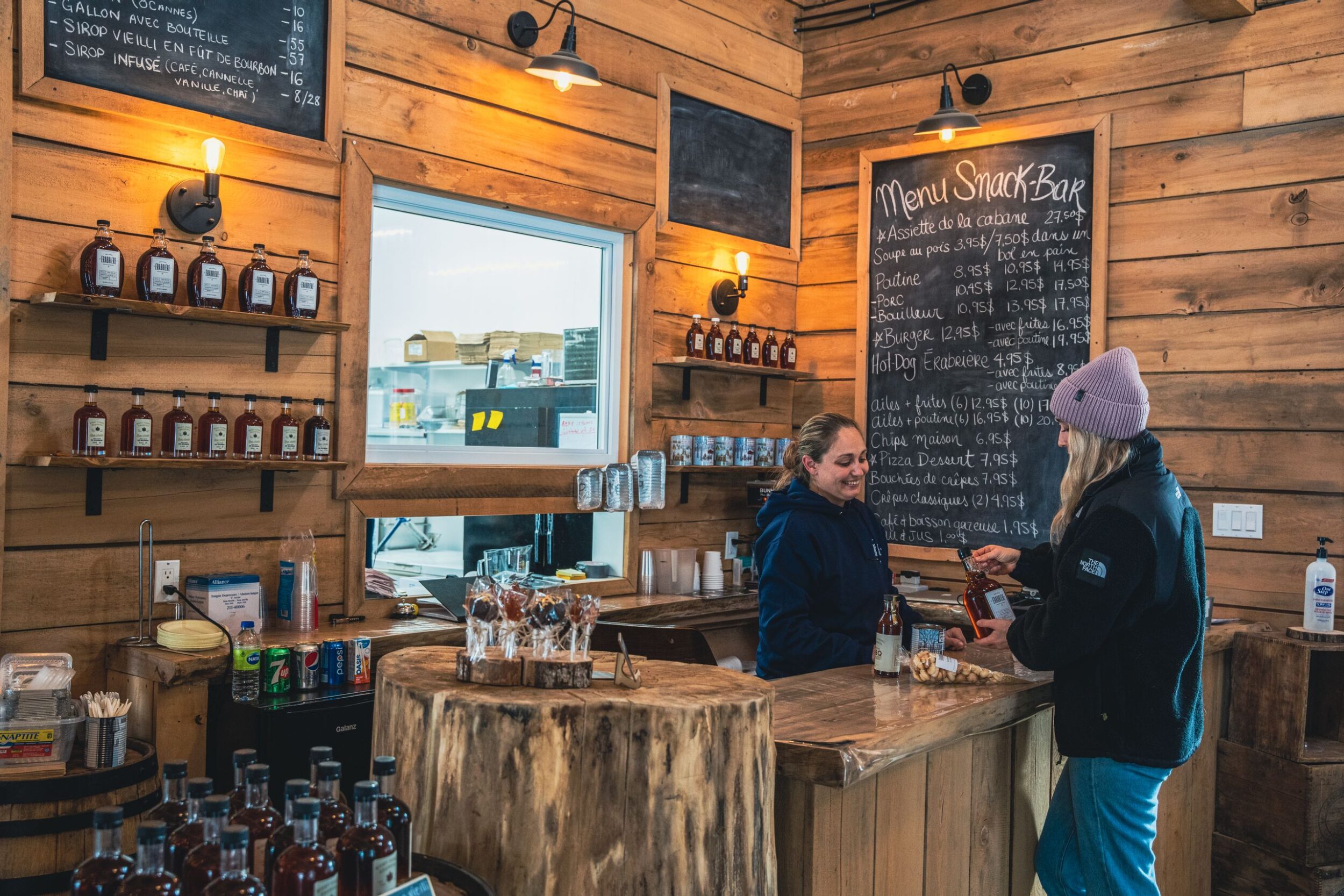
L’Érabrière – Artisan Producer (Mauricie)
A small, artisanal operation where you can learn how syrup is made, meet the producer, and experience a more intimate side of maple culture.
More educational than gastronomic.
Practical info
- Address: 3060 route 157, Mont-Carmel, QC
- Facebook: https://www.facebook.com/erabriere
Ferme Le Crépuscule (Mauricie)
Offers a traditional sugar shack meal certified organic, table service, and open during sugar season only.
You can also visit the farm and learn about their sustainable approach—perfect if you care about responsible agriculture.
Practical info
- Address: 1321, Chemin Grande Rivière Nord, Yamachiche, QC
- Open in season only
- Website: https://www.fermelecrepuscule.com
Sève et Boucane (Lanaudière)
A contemporary take on sugar season, built around maple and smoke. More “foodie” than traditional.
Great for travelers who want a modern interpretation of the sugar shack experience.
Practical info
- Address: 166 Rang des Continuations, Saint-Esprit, QC
- Open in spring (sugar season) + fall (BBQ season)
- Website: https://www.seveetboucane.ca/
Cabane à sucre Côte-à-Joly (Lanaudière)
A warm, scenic spot with a sugar season menu, plus an maple ice cream counter in summer and a year-round shop.
People come for the atmosphere—and the views over the hills.
Practical info
- Address: 33 Rang Ste-Louise Est, St-Jean-de-Matha, QC
- Sugar shack in season; ice cream counter + shop open longer
- Website: https://www.coteajoly.com/
FAQ – Quebec Sugar Shack Season
When is sugar shack season in Quebec?
Sugar season usually runs from late winter into early spring, often around mid-March through April. It starts when nights stay below freezing and days warm up. That temperature swing is what gets the sap flowing.
Do you need to book a sugar shack?
Most of the time, yes. Weekends fill up quickly during peak season, so booking ahead is a good idea.
What do you eat at a sugar shack?
Classic dishes include pea soup, baked beans, omelets, maple-glazed ham, sausages, thick pancakes, and pouding chômeur. The meal usually ends with maple taffy poured on snow.
How much does it cost?
For a traditional sit-down meal, expect roughly $50 CAD per adult. More chef-driven or gourmet experiences cost more.
What’s the best sugar shack in Quebec?
There isn’t one single “best” sugar shack. It depends on what you want. Some people want a traditional, family-style meal. Others prefer a smaller, more educational visit or a more modern menu. This article focuses on strong options in Mauricie and Lanaudière.
Are any sugar shacks open year-round?
Yes. Some places offer meals and/or a shop outside the spring season. For example, Chez Dany serves a traditional sugar shack meal year-round.
Traditional vs gourmet sugar shack: which one should you choose?
Go traditional if you want the classic comfort-food menu and the festive, family vibe. Choose a gourmet option if you’re curious to see chefs reinterpret sugar season with more creative dishes.
What can you do at a sugar shack besides eating?
Many sugar shacks offer a short tour of the boiling setup, tastings, and a small shop. Some also have family-friendly outdoor activities. For most visitors, the must-do moment is still maple taffy on snow, especially if you’re visiting with kids.